Terry Coes


Loring “Terry” Coes III, 65, of Wakefield, died Saturday, June 13, 2015. Terry was born in Ware, Massachusetts, on September 3, 1949. He grew up in Brookfield and Princeton, Massachusetts, and North Waterford, Maine.

He graduated from Hebron Academy in 1967, and earned his Bachelor’s degree in English from Williams College in 1971. In 1986, he completed his Master’s degree in mathematics at the Worcester Polytechnic Institute, from which he also received an honorary doctorate in 1991. He taught fourth grade at the Georgetown Day School in Washington, D.C., from 1971-1974. In 1974, he began teaching at the Rocky Hill School in East Greenwich, chairing its mathematics department from 1980-2006, as well as serving as its school photographer for many years.

In 2010, Terry founded Coes Photography, a boutique photography service specializing in family and event photography. He loved being behind the camera, capturing moments in time, lending his warmth and quiet grace to photography of the natural world and of friends, family, and colleagues in the greater New England community.

He was a passionate and innovative educator who consulted, wrote, and lectured widely throughout the mathematics education community. His love of mathematics inspired an equal love among his students. He was a 1987 Woodrow Wilson Fellow, and in 1988, he earned a Presidential Award for Excellence in Teaching Mathematics. A teachers’ teacher, he testified before Congress, contributed to multiple mathematics textbooks and journals, provided his expertise in numerous local television appearances, and served as a dedicated officer and board member for several regional and national mathematics education organizations. He planned to retire from Rocky Hill School in June 2015 after 41 years.

He had a variety of serious hobbies and interests, including fishing, hiking, traveling, chess, and reading extensively in industrial, art, military, scientific, and political history. He had a wry, wicked sense of humor that will be deeply missed as we march on without him by our side.

He was preceded in death by his parents, Elizabeth (Carlton/Coes) Newhall and Loring Coes Jr., and his sister, Priscilla (Coes) Bean. He is survived by his wife of almost 43 years, Dana (Cross) Coes of Wakefield; sister Martha (Coes) Thayer of Rutland, Massachusetts; brother-in-law Robert Bean of Grand Isle, Vermont; daughters Katherine Swanson (Kevin) of East Greenwich and Jennifer Coes (Jason Huffman) of Malden, Massachusetts; one grandchild, Wesley Loring Huffman; and a large extended family.

The Independent, Rhode Island July 23, 2015

Fall 2016 Mini-Reunion

This summary was sent to classmates after the Fall 2016 Mini-Reunion:

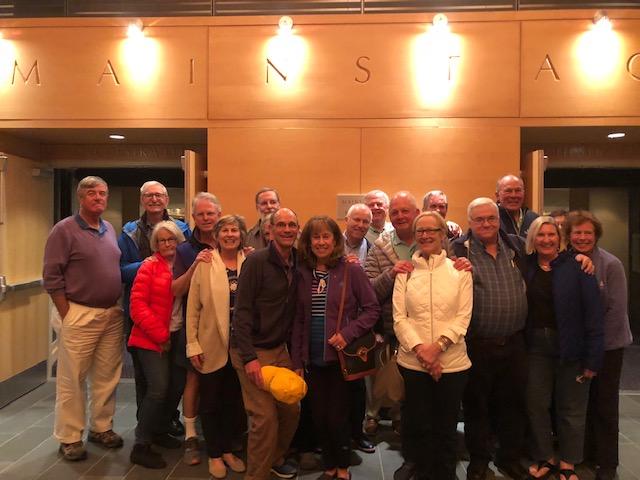
On November 3-4, we had our first class of 1971 Mini-Reunion in Williamstown. It was a great weekend attended by 39 of our classmates, spouses and friends (listed below). We had a Friday night cocktail party at Taconic Golf Club which was attended by some of our 1971 class scholars who proved that our 25th Reunion gift was very well spent. Saturday night we enjoyed a dinner with members of the class of 1967. We will have a Mini-Reunion every fall in Williamstown the next four years leading to our 50th in June, 2021. The tentative date for next year is Oct. 20-22, 2017 in Williamstown.

Three quick notes on the reunion planning front: 1) Rob Farnham and Doug Pickard have switched jobs so Rob is now our Reunion Chair and Doug is our Treasurer; 2) we are busy getting our full Reunion Planning Committee organized and 5-year timeline developed (including mini-reunions and regional events) – thank you to those of you who volunteered so far and we welcome any additional volunteers; and 3) we are aiming towards early next spring to have a comprehensive letter and timeline out to you describing an exciting next 4 ½ years leading up to our reunion. All thoughts, ideas, and comments are welcome.

On Saturday morning there was a meeting of our class 50th Reunion Gift Committee. To keep everyone in the class advised on our progress to date, we decided to periodically send out short reports on our progress. This report briefly summarizes the discussions at that meeting.

50th Reunion Gift Committee

A. Gift Committee Reports. Traditionally the 50th Reunion Class Gift[s] to the College is the largest fundraising effort each class will undertake. Our goal is to assure that our Class shows its gratitude to the College in ways the Class believes will have a meaningfully impact the lives of future undergraduates. To that end we have organized a Gift Objectives Committee, chaired by Geo Estes, which is comprised of three subcommittees. These subcommittees have begun their work and these are summaries of their first reports. Once the Gift Committee has completed its work and have defined projects they believe are consistent with our goals the entire class will be polled to identify the two, three, or four projects we wish to support with our 50th Reunion Gifts.

1. Science Advancement Subcommittee. This subcommittee is chaired by Mark Ruchman and Mike Rade. Bruce Lindsey, Bob Eyre, Ken Richardson, and John Finnerty have volunteered to serve as subcommittee members. This committee reported on their discussions with the College’s science faculty and the College Development Office. The College has experienced what only be called an explosion in Division III majors and double majors. In response a new science center is under construction. There are multiple brick and mortar projects and programmatic support projects our Class might support. At this point in time the subcommittee leans toward programmatic support projects with particular interest in a project which would promote student scientific research and in a project to support junior faculty research. If you would like more information on the work of the subcommittee or would like to join in this effort please contact Mark ( [email protected]).

2. Academic and Scholarship Support Subcommittee. This subcommittee is chaired by Nick Tortorello. Jim Lavine, George Ebright, Bill Wilson, and Rod Brown have volunteered to serve as members of this subcommittee. In addition to enhancing scholarship opportunities for students with needs, this subcommittee is exploring projects to enhance student learning opportunities on issues dealing with ethical conduct in business and government, leadership development, and effective involvement in the political process. If you would like more information on the work of this subcommittee or would like to join in this effort please contact Nick ( [email protected]).

3. Support Beyond The Classroom Subcommittee. This subcommittee is chaired by Jack Sands. Steve Brown, Steve Lawson, Roger Kaufman, Peter Clark, and John Ackroff have volunteered to assist in this effort. The focus of this subcommittee is to investigate possible funding opportunities in support of student enrichment and faculty engagement outside of the classroom. This subcommittee is looking into whether the Class of 1971 Public Forum might merit additional support and whether there are other initiatives that might further faculty and student interaction on projects outside of the classroom. If you would like more information on the work of this subcommittee or would like to join in this effort please contact Jack ([email protected]).

Also John Ackroff , our outstanding Class Agent, reported on the status of our campaign . As of the date of our meeting, $2.7 million dollars has already been credited to our 50th Reunion Campaign. Of this amount approximately $790,000 were gifts made to the Annual Fund. Gifts to the Annual Fund are very important to the experiences of today’s undergraduates and a critical element to our 50th Reunion efforts. All such gifts over the next four years are credited to our 50th Campaign. Since our 40th Reunion ( which is the date on which counting for the 50th Reunion Gift commenced) 68.1% of the Class have made a gift to the College either through the Annual Fund or to support some other College effort. Our goal is to hit 71% (something magical about that number) by our 50th

If you have any question please call or email us. Best wishes to all for a Happy Thanksgiving !!

Steve and Sey

Steve Brown (Class President)            Sey Zimmerman
[email protected]   (Co-Chair with Ken Richardson
215-994-2240(work)   and Geo Estes of the 50th Reunion Campaign)
610-291-1288(cell)  


Gene Bauer and Ellen Shortell
Colin Brown
Steve and Sue Brown
John Chambers and Laurel Cardellichio
Peter Clarke and his son, Noah ‘95
Bob and Kate Eyre ‘73
Rob Farnham
John and Louise Finnerty
Roger Kaufman and Mary Ann Lee
Dave and Audrey Kubie
Dick Lamb and Holly Taylor
Steve and Jorie Latham
John and Anne MacKinnon
Ken Richardson
Doug and Jane Pickard
Mark and Sharon Ruchman
Jack and Arria Sands
Paul and Meg Schneider
Nick and Ann Tortorello
Jim and Sharon Vipond
Sey and Janet Zimmerman

Fall 2018 Mini-Reunion

Our Fall 2018 Mini-Reunion was held September 28 – 30, and contained a full calendar of events:

Thursday, September 27

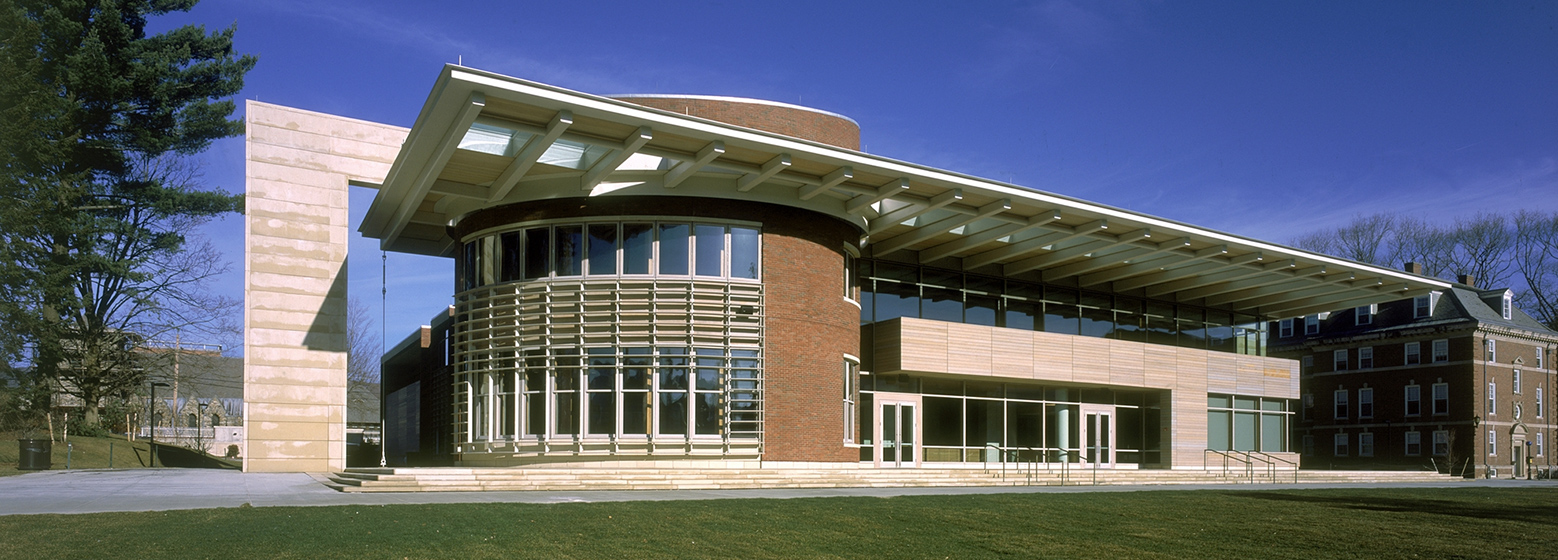
Panel Discussion:  Free Speech and Tolerance  co-sponsored by the Class of 1971 Forum.  ’62 Center, 7:00 – 8:15  PM

Friday, September 28

Class Meeting with President Mandel, Griffin Hall, 3:30 – 5:30 PM

1968 – 1972 Multi-Class Reception and Dinner, Williams Inn, 6:00 PM

Saturday, September 29

Conversation with President Mandel, ’62 Center, 10:00 – 11:00 AM

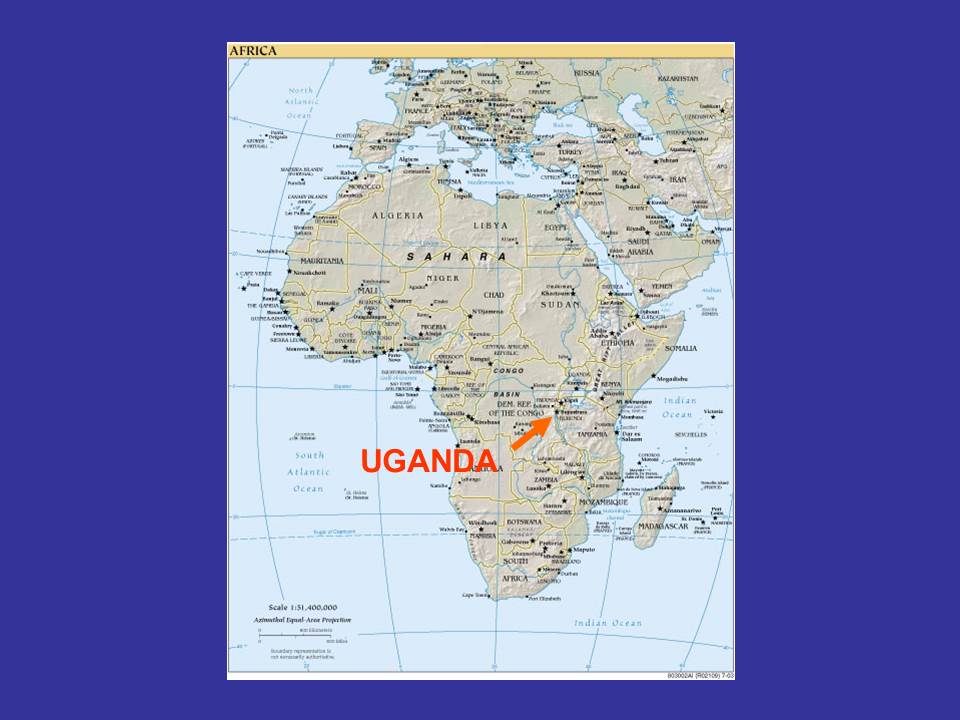
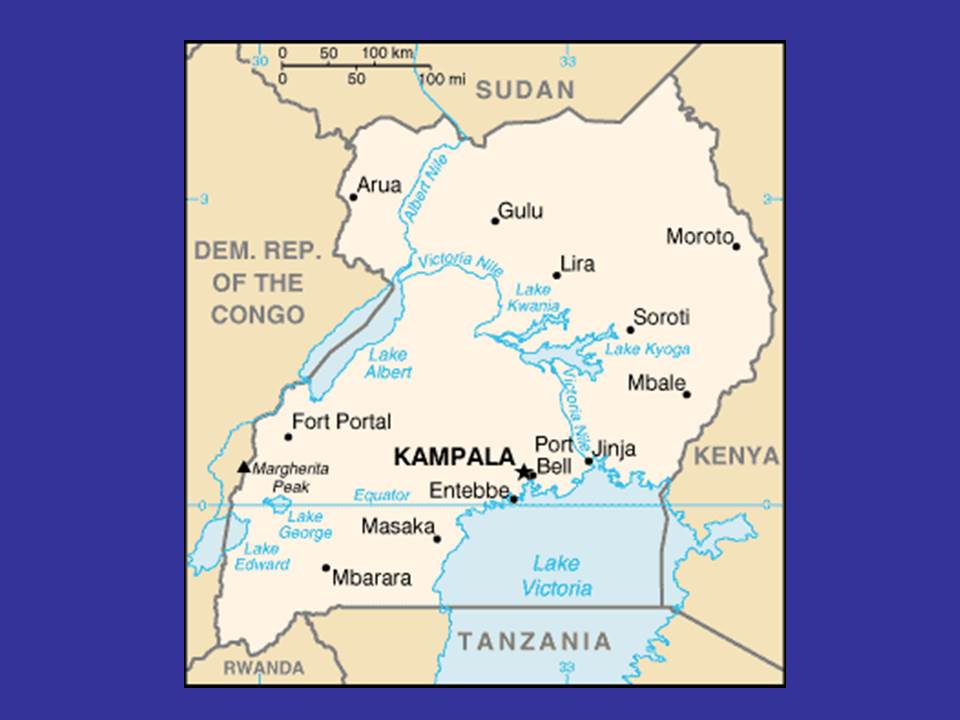
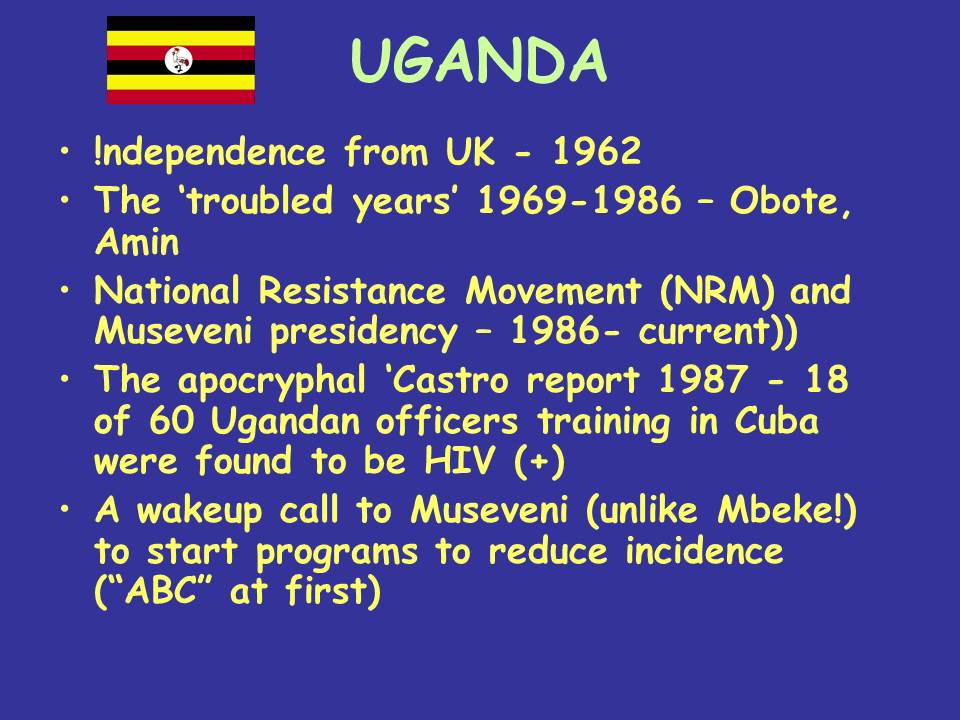
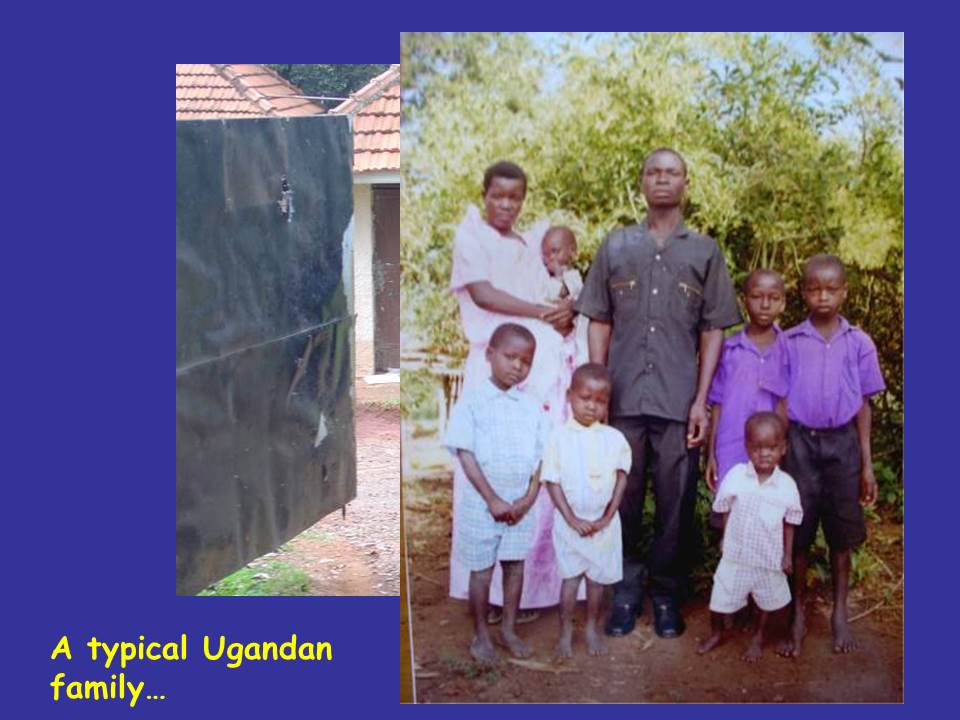
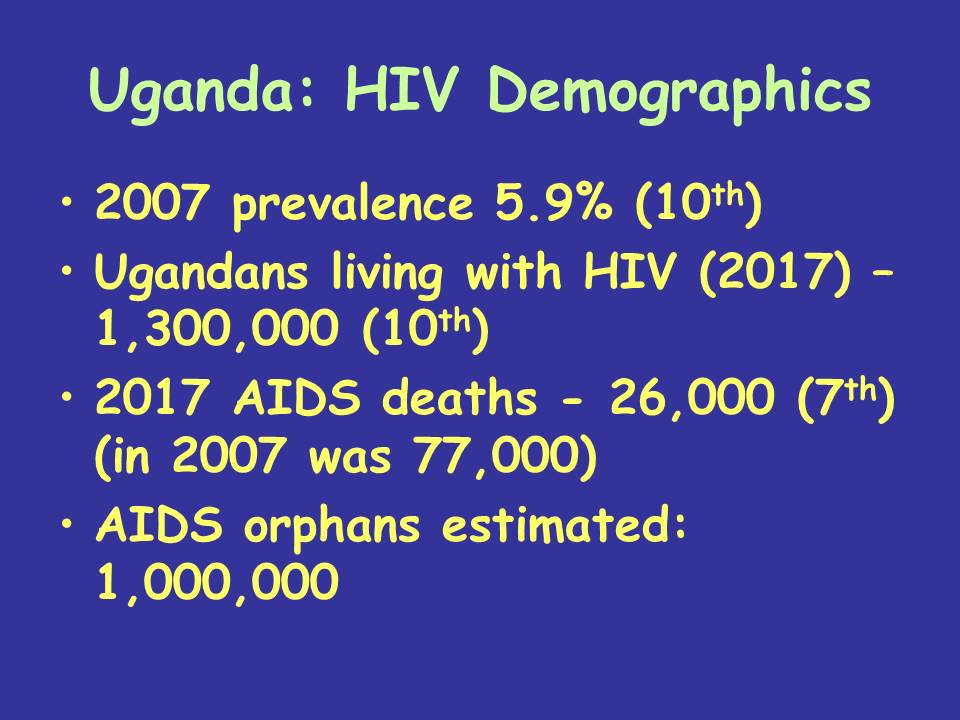
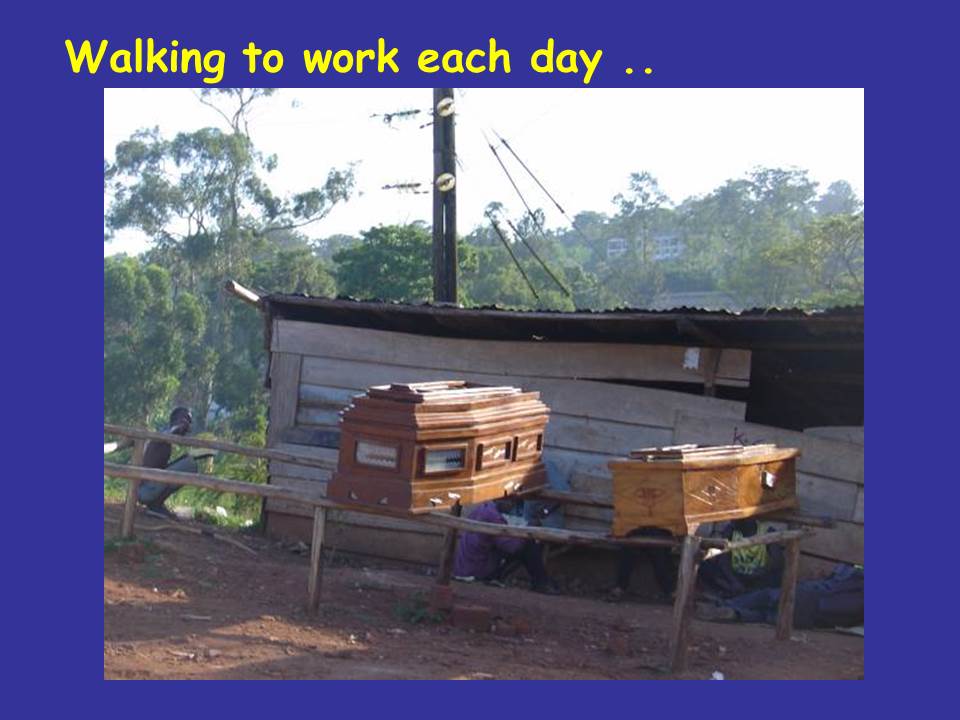
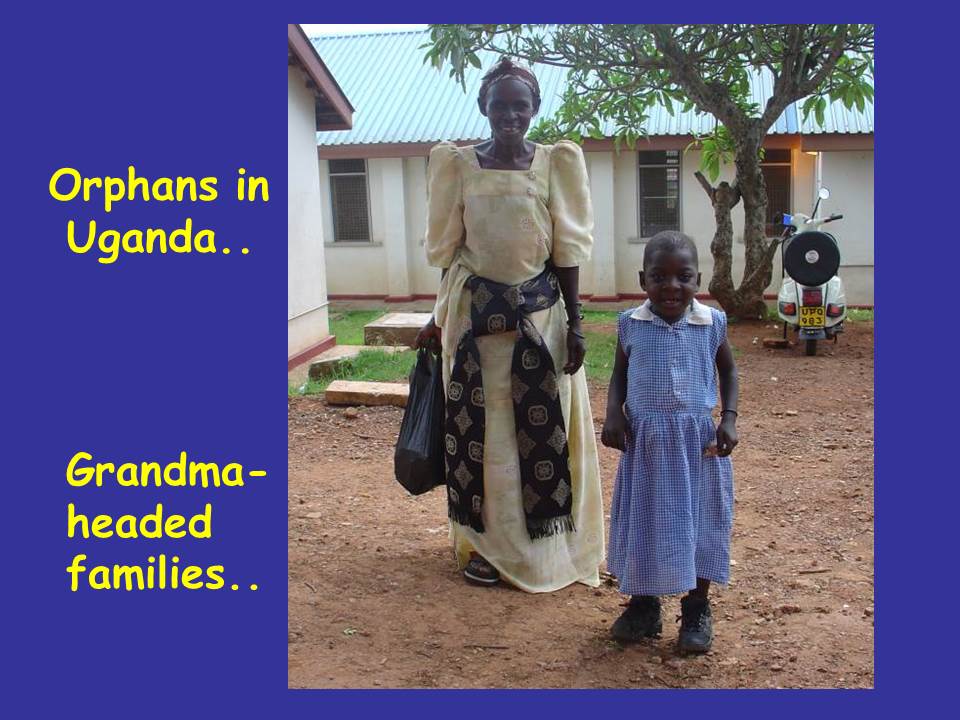
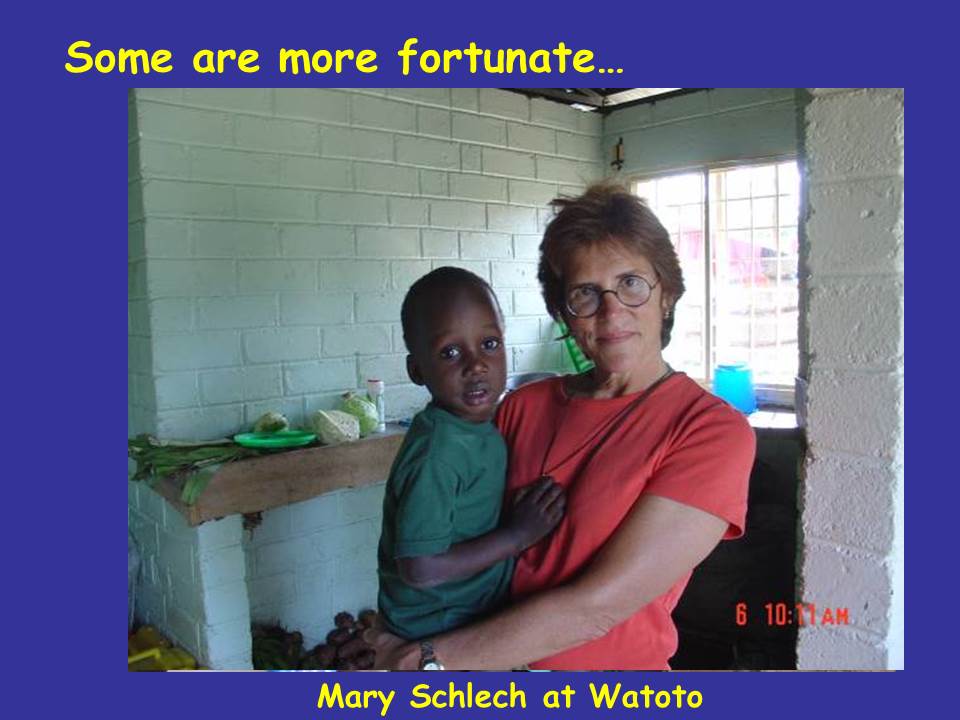
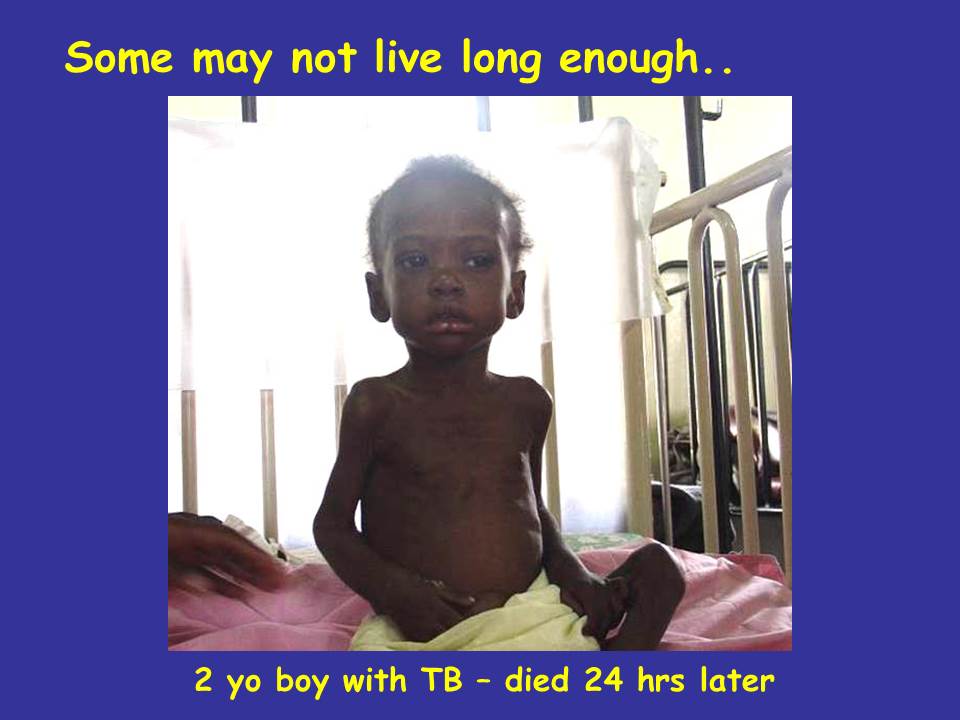
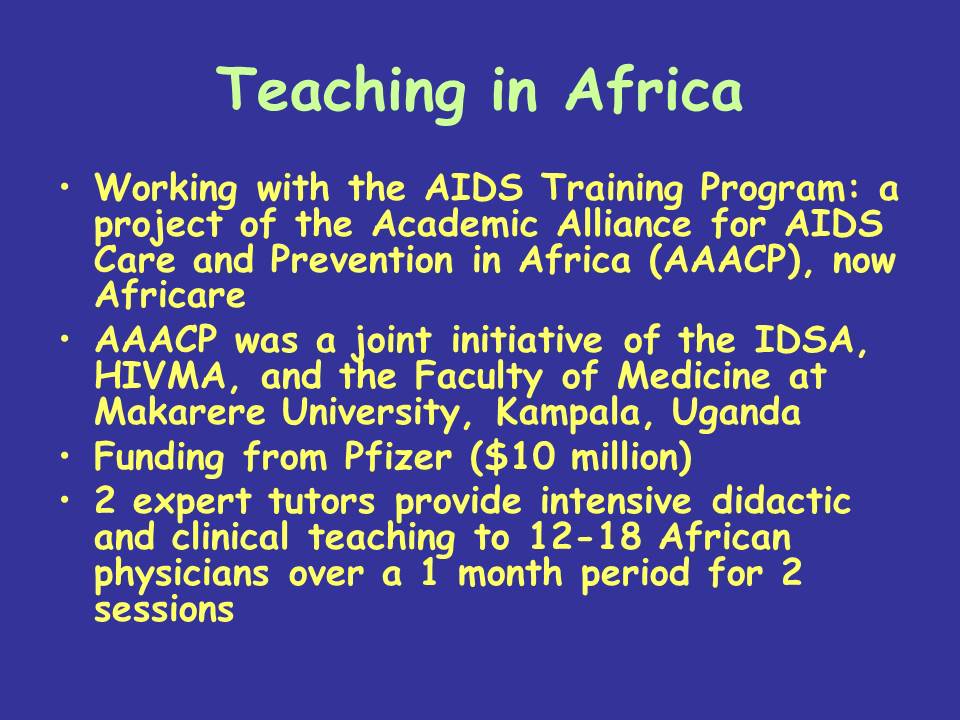
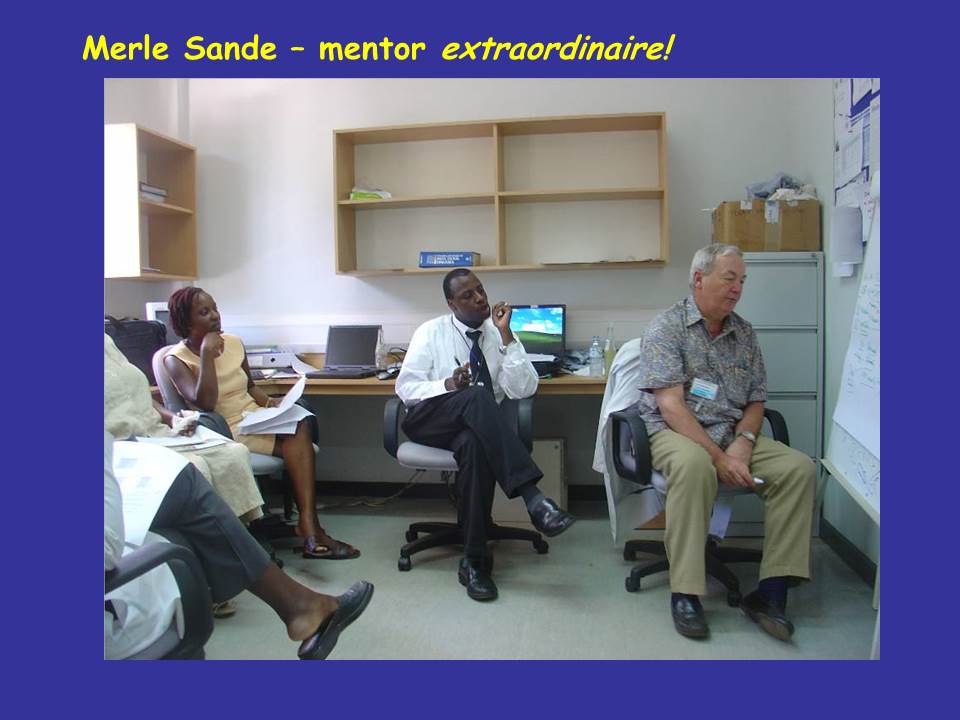
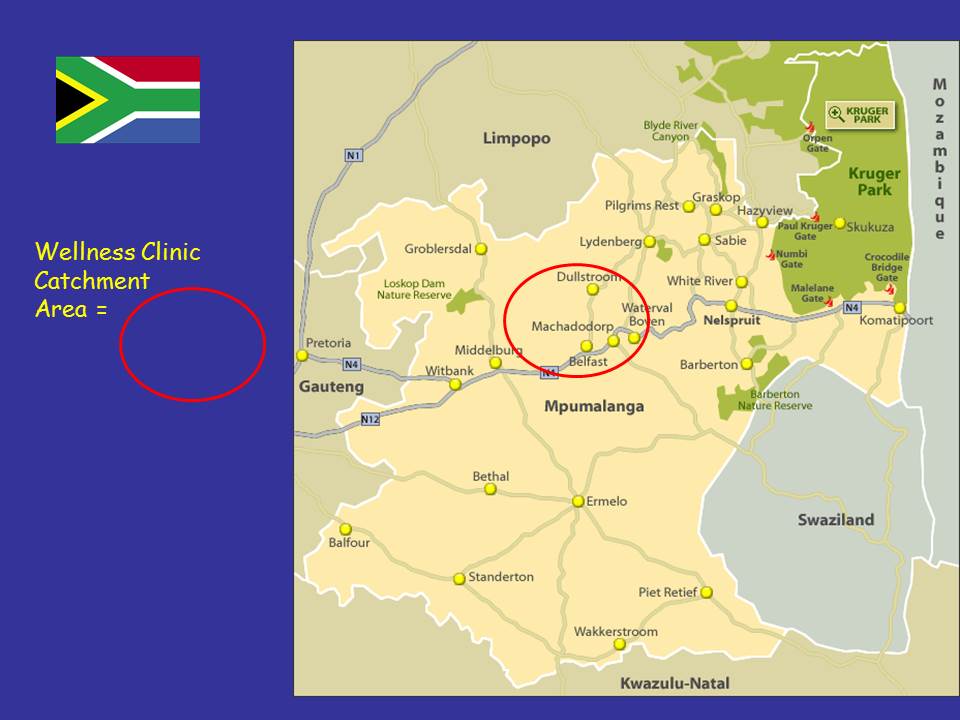
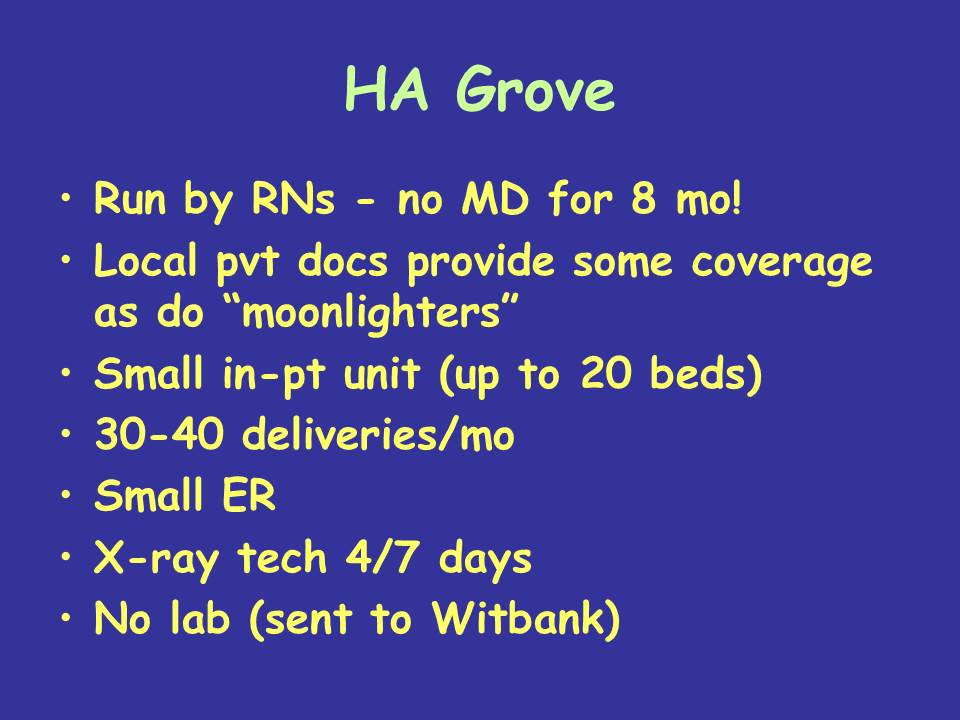
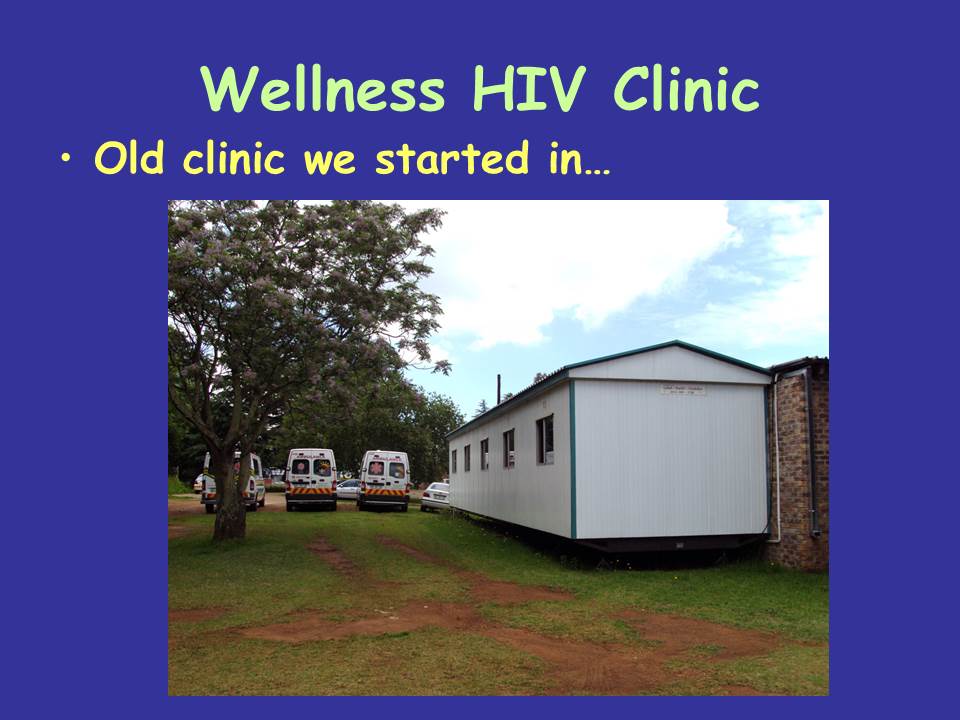
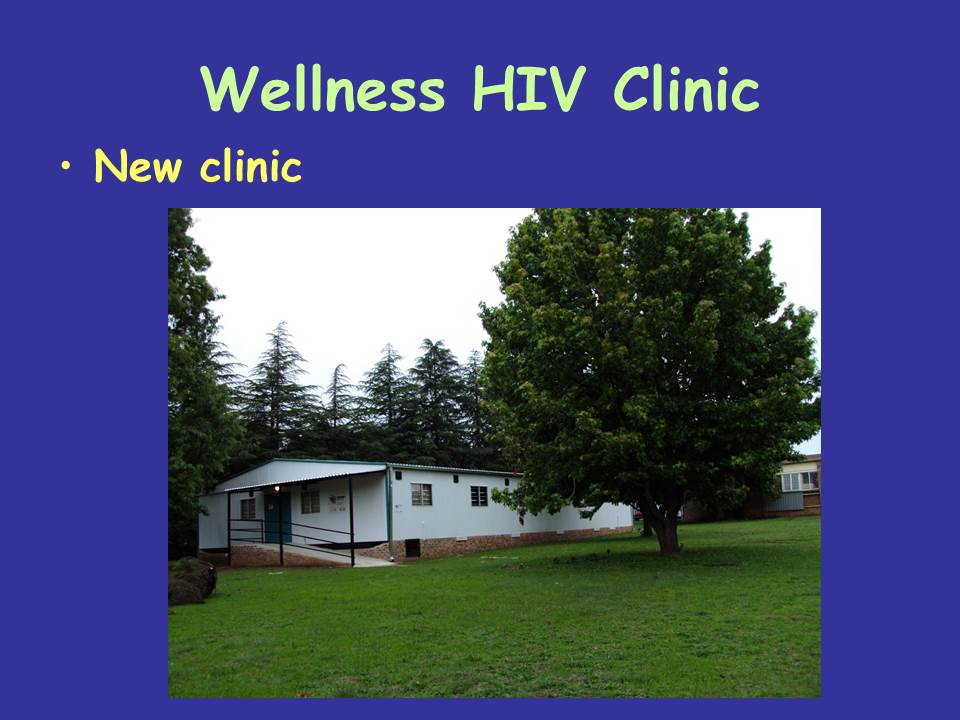
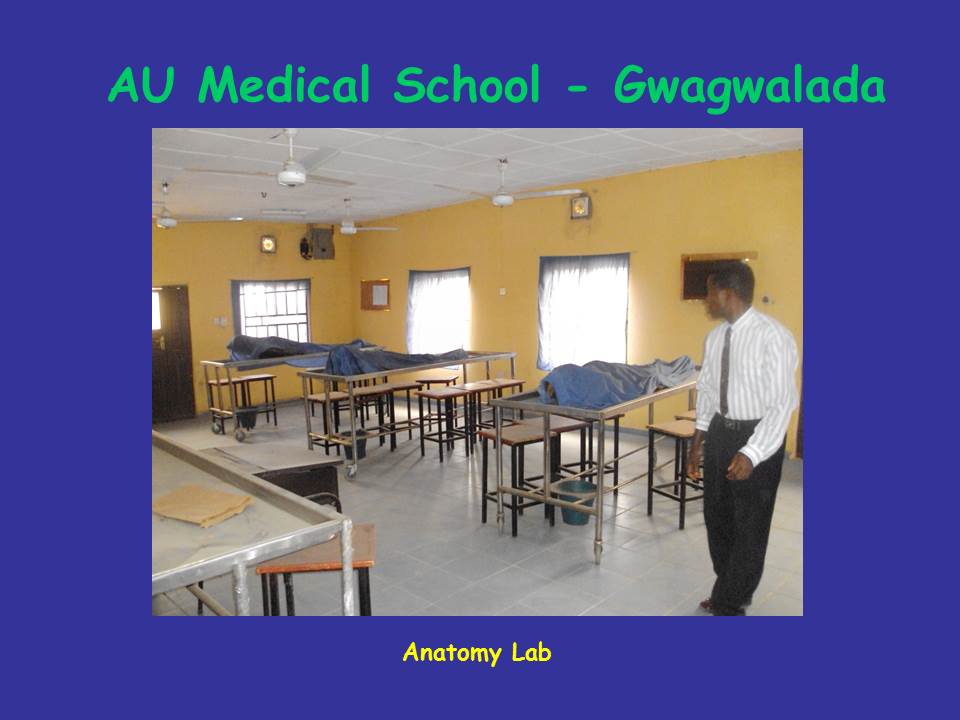
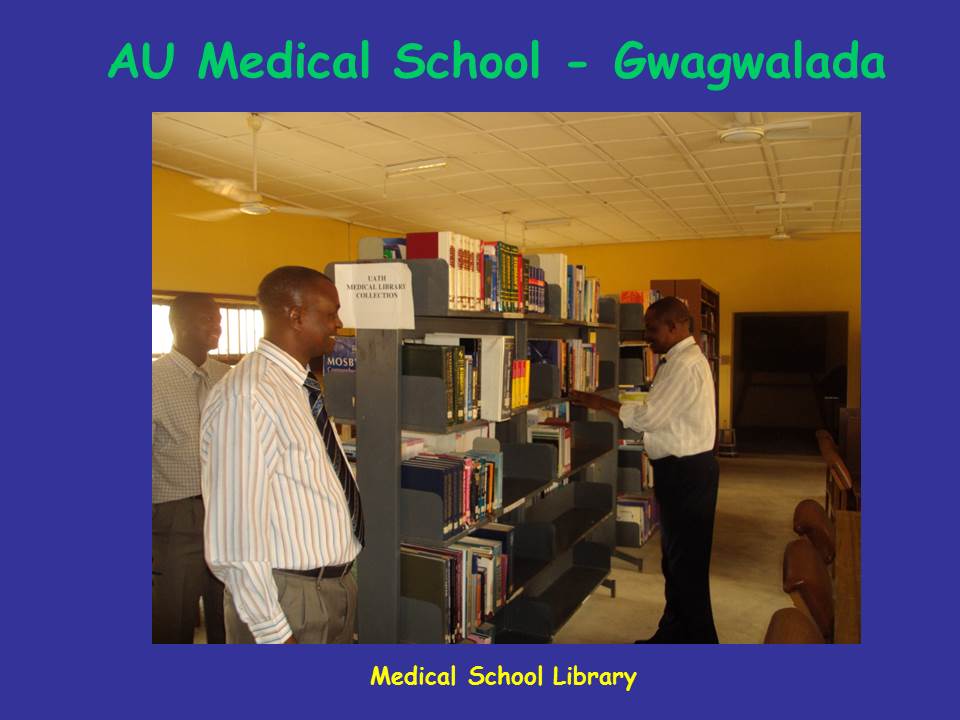
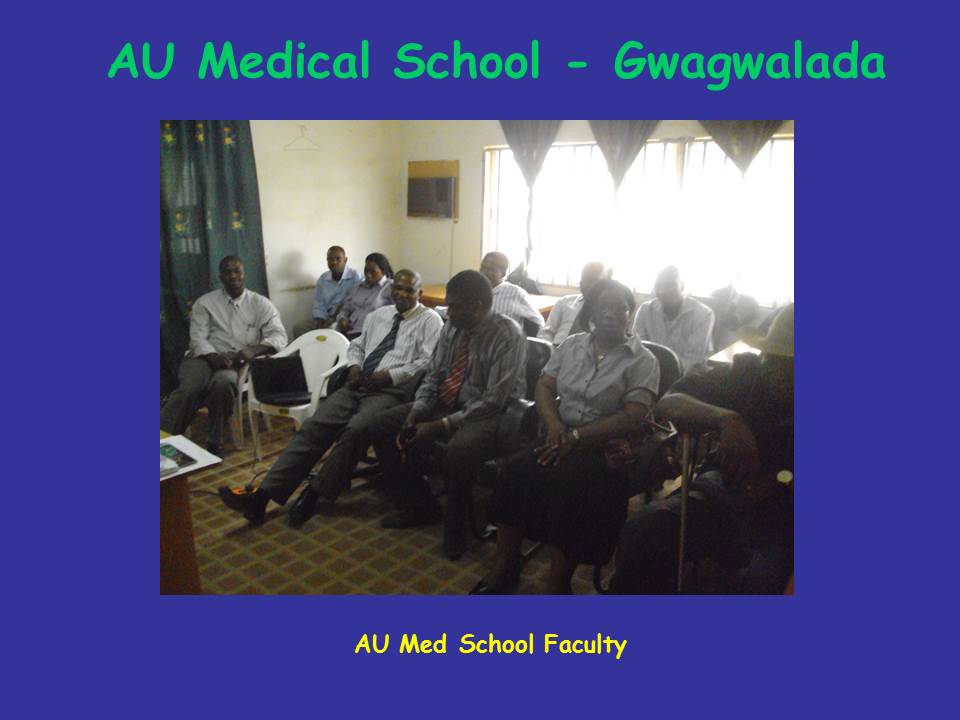
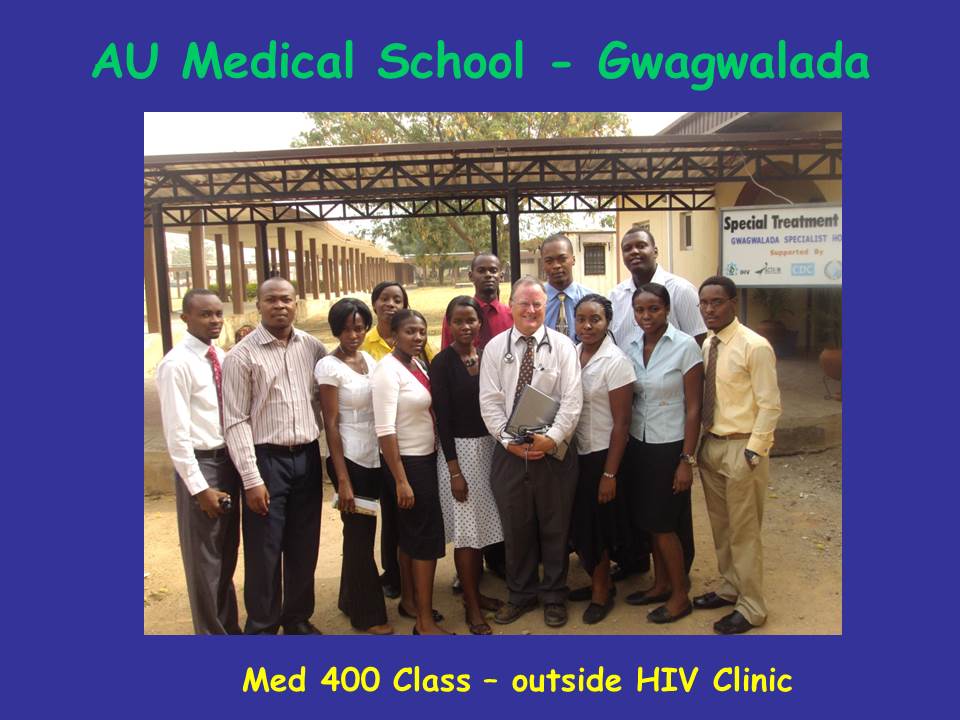
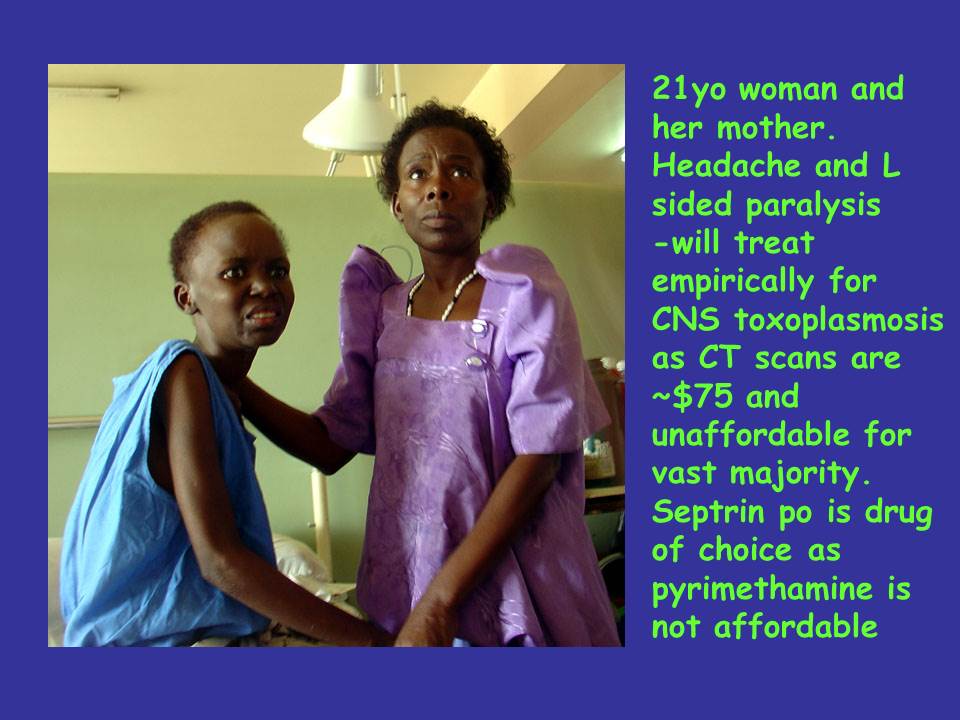
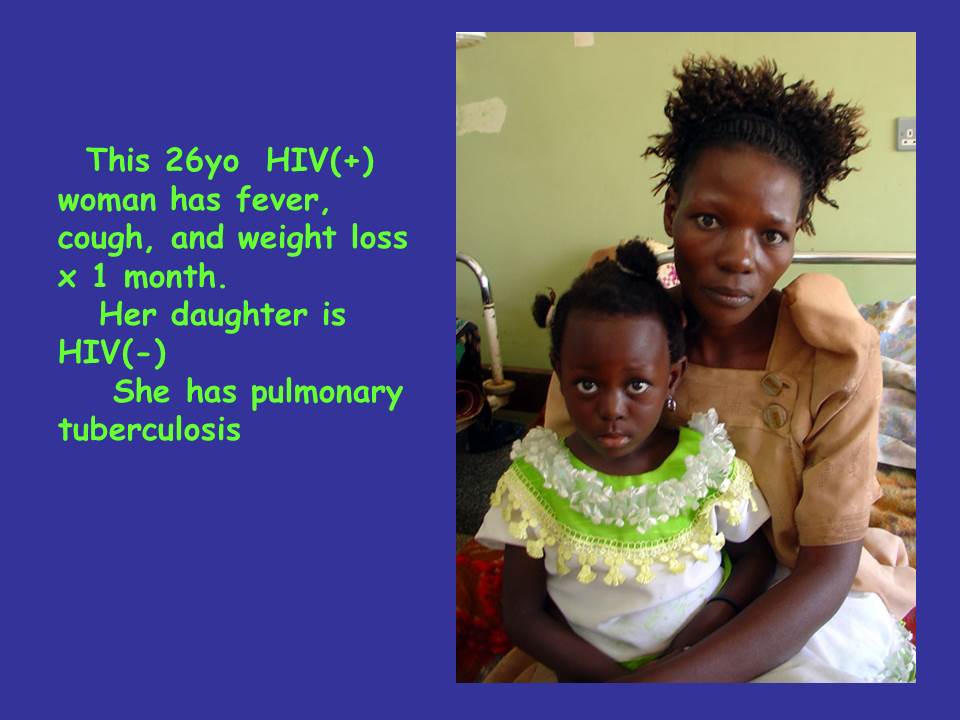
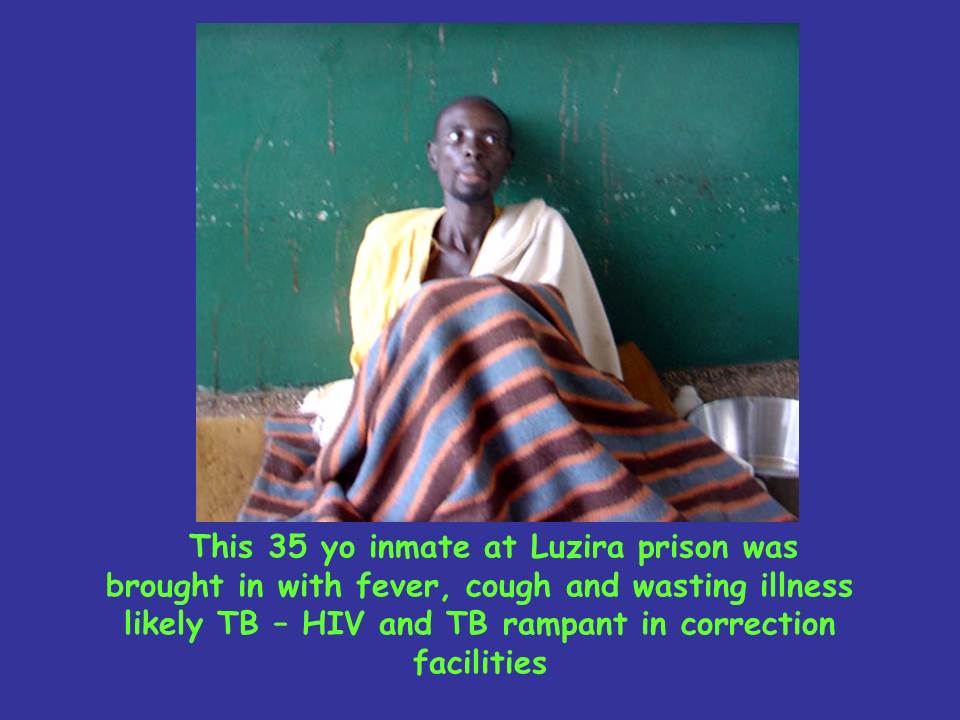
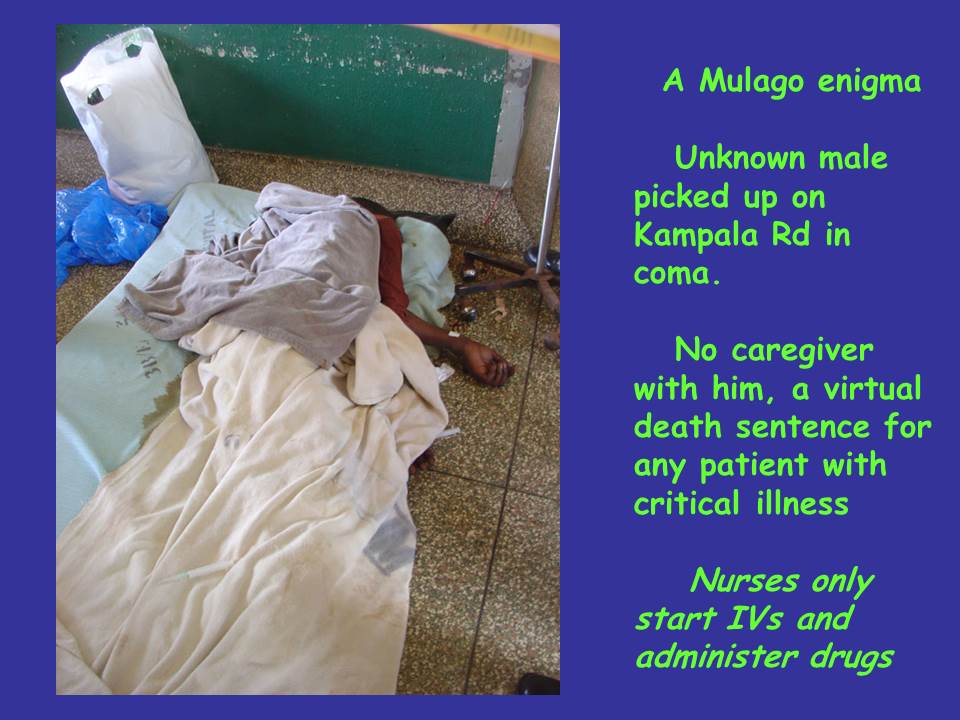
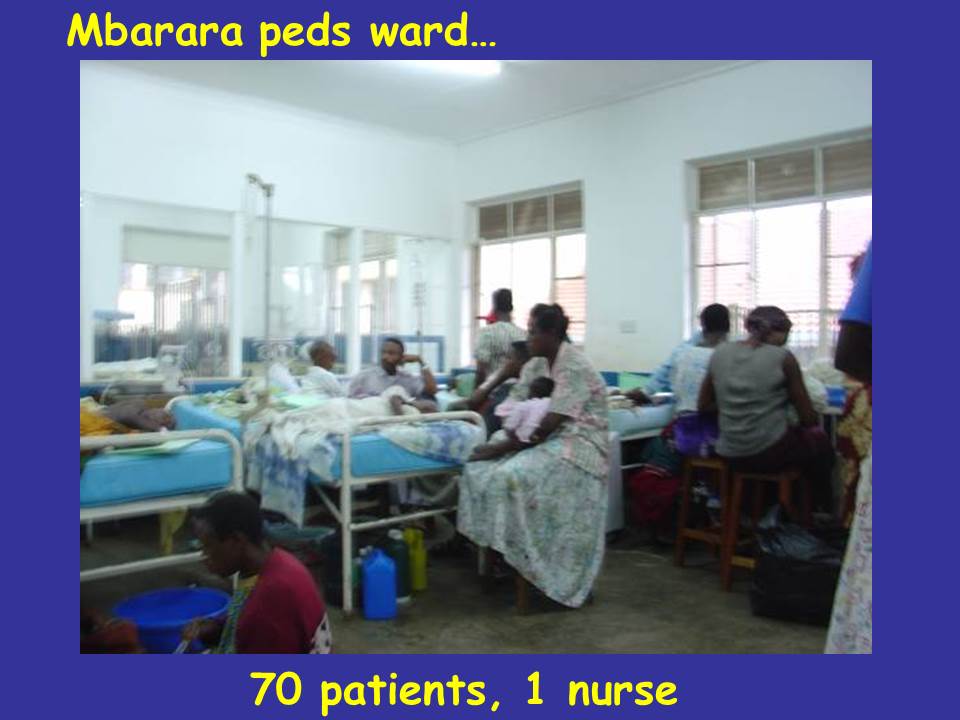
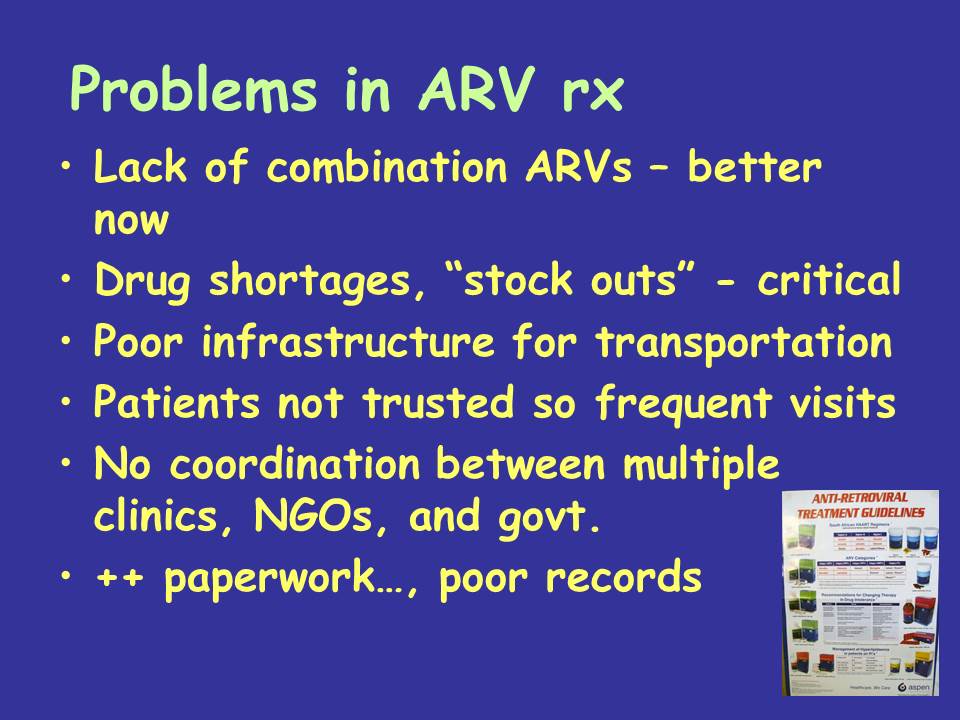
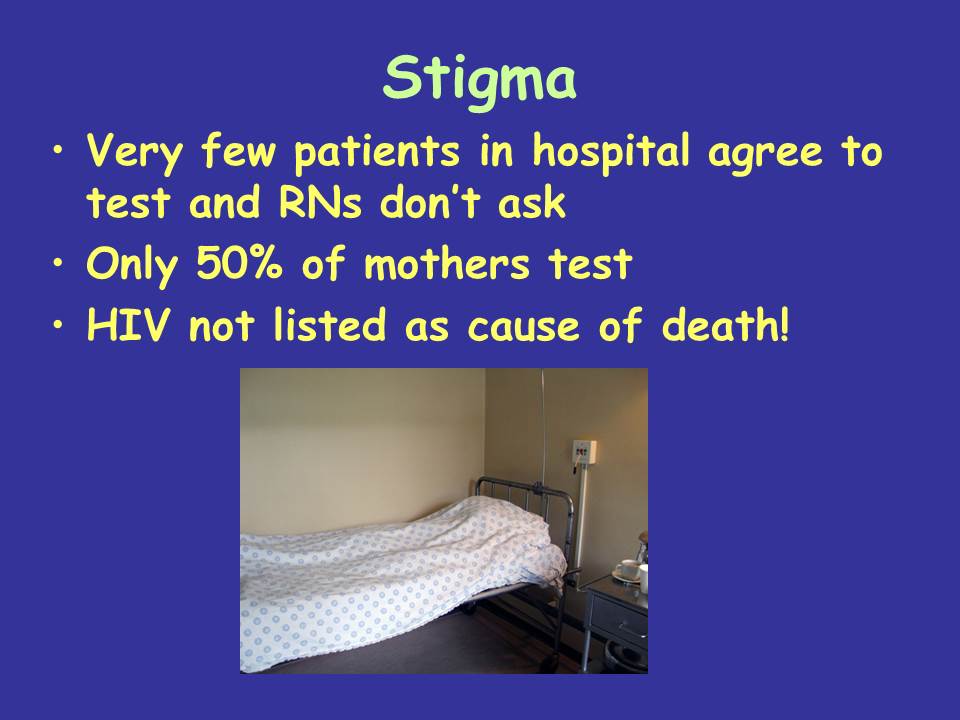
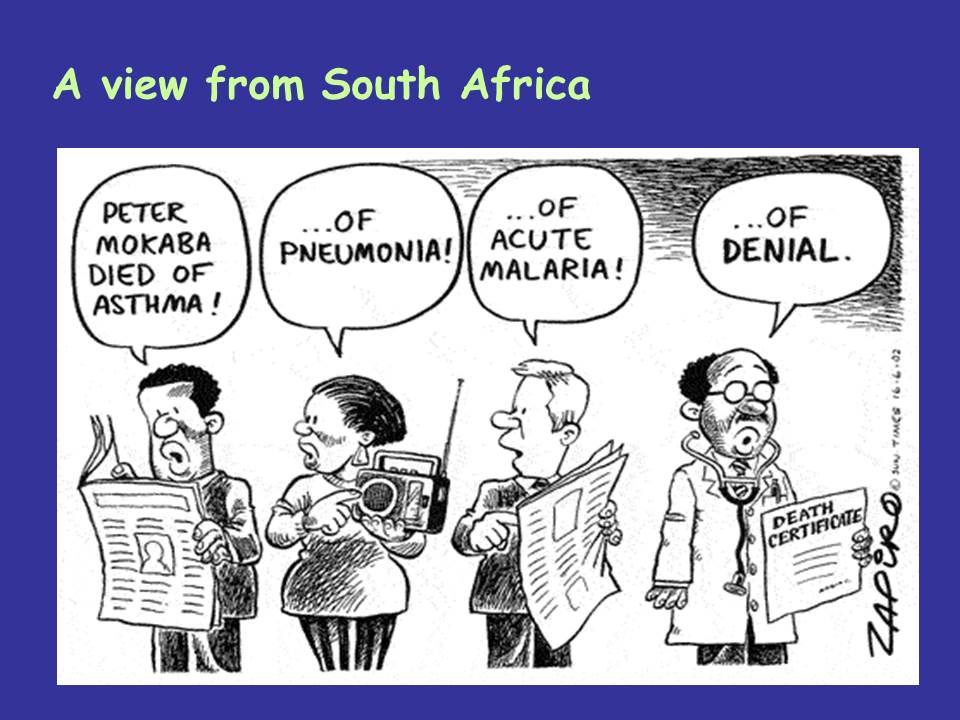
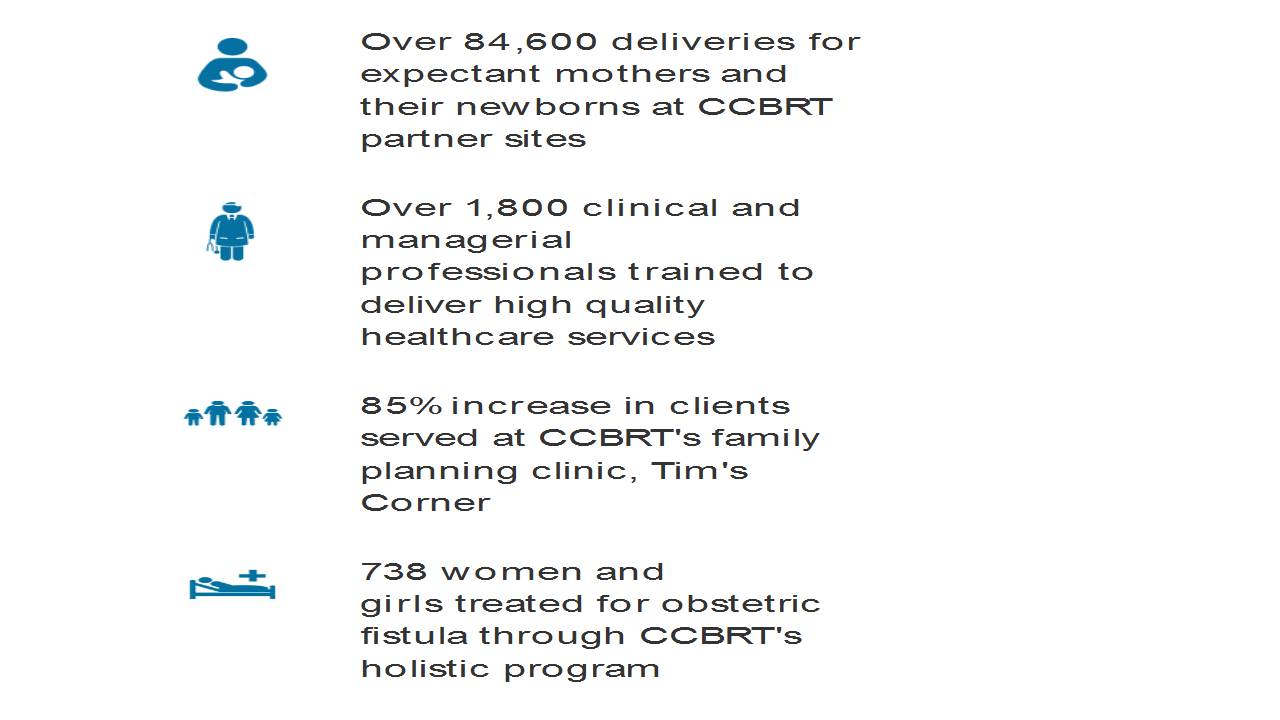
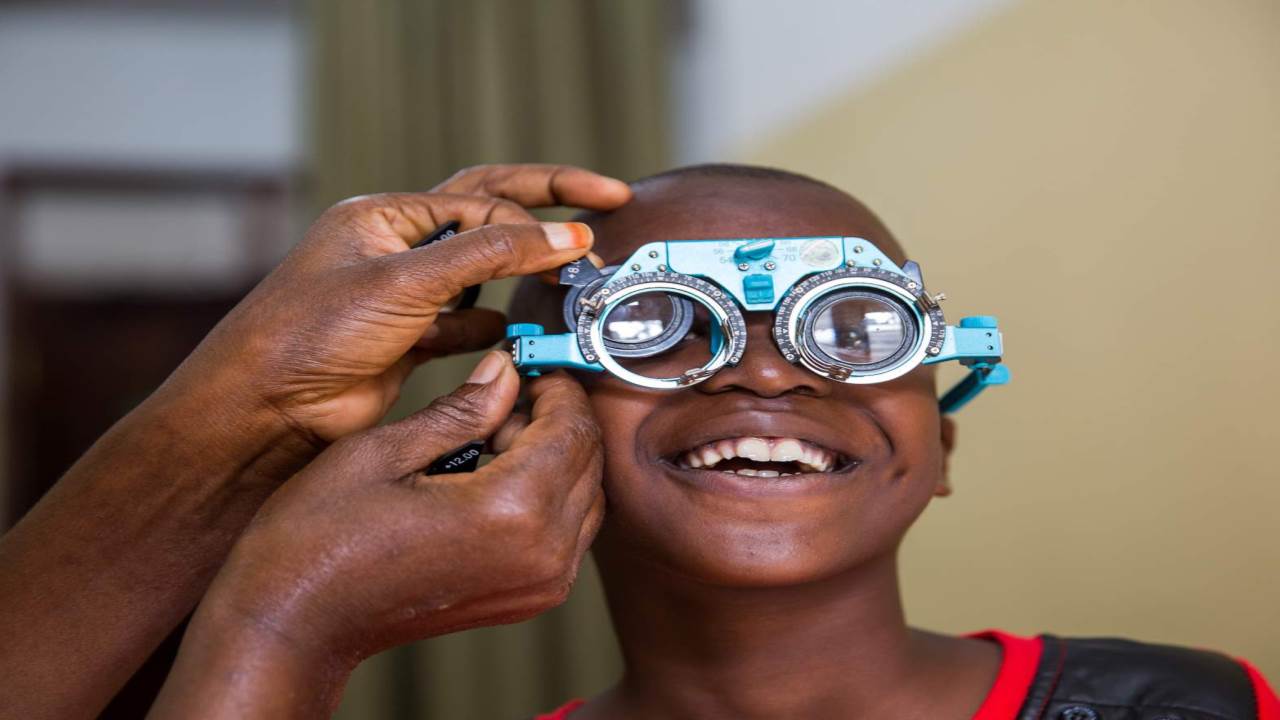
Panel Discussion:  “Williams Without Borders:  Eph Contributions to Healthcare in Africa” with Wally Schlech, John McGill, and Bob Schwed, led by Laura Estes.  ’62 Center, 11:15 AM – 12:15 PM

Reception and Dinner, Taconic Golf Club, 6:15 PM

Sunday, September 30

1968 – 1972 Multi-Class Farewell Breakfast, Faculty House / Alumni Center, 8:30 – 10:30 AM

Steve Brown writes in Class Notes:

We had a wonderful Mini -Reunion weekend on the last weekend of September in Williamstown. We had classmates and friends of ’71 return for all or part of the weekend which was highlighted by: a class of ‘71 Forum discussion on the Main Stage of the ‘62 Theater, a visit with new President Maud Mandel at our class meeting on Friday afternoon, a presentation by Wally Schlech, John McGill and Bob Schwed on the Main Stage at the ‘62 Theater on Saturday morning, a Williams football victory over Trinity on Saturday afternoon and finally culminating with a class dinner at the Taconic Golf Club on Saturday night with lots of laughter, remembrances of Sey, and lots of good old ‘71 camaraderie.

Eighteen classmates and friends of ‘71 started the weekend early by attending a Thursday night presentation sponsored by our ‘71 Public Forum entitled “Free Speech and Intolerance.” A huge thank you to Jack Sands for his continued effort in making the ‘71 Public Forum a thought-provoking and well attended event on the Williams campus. At least 100 students attended as wll as a number of townspeople, faculty and locals alums. Our class was out in force with the following: John and Karen Ackroff, Sue Brown and me, Rod Brown, Dan and Jody Hunt, Dave and Audrey Kubie, Steve Latham, Ken Richardson, Jack and Arria Sands, Nick and Ann Tortorello, Mary and John Untereker (all the way from Houston), and Peter and Kathy Wege. BTW – earlier in the day, we spotted Gene Bauer, along with Ellen Shortell, trying to make a downhill put on the 6th hole at Taconic.

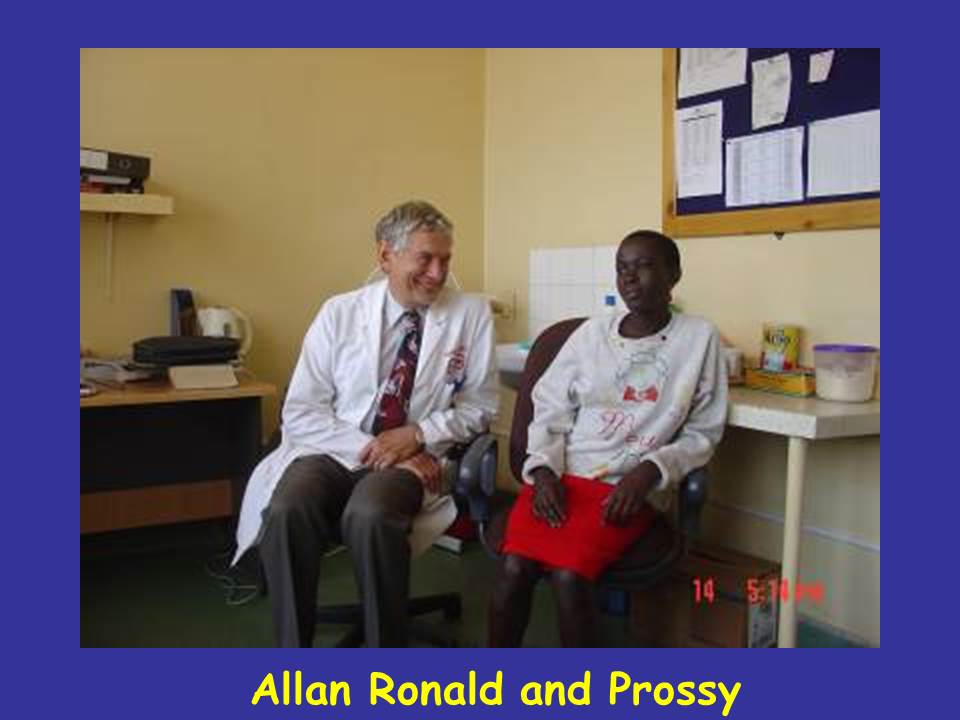
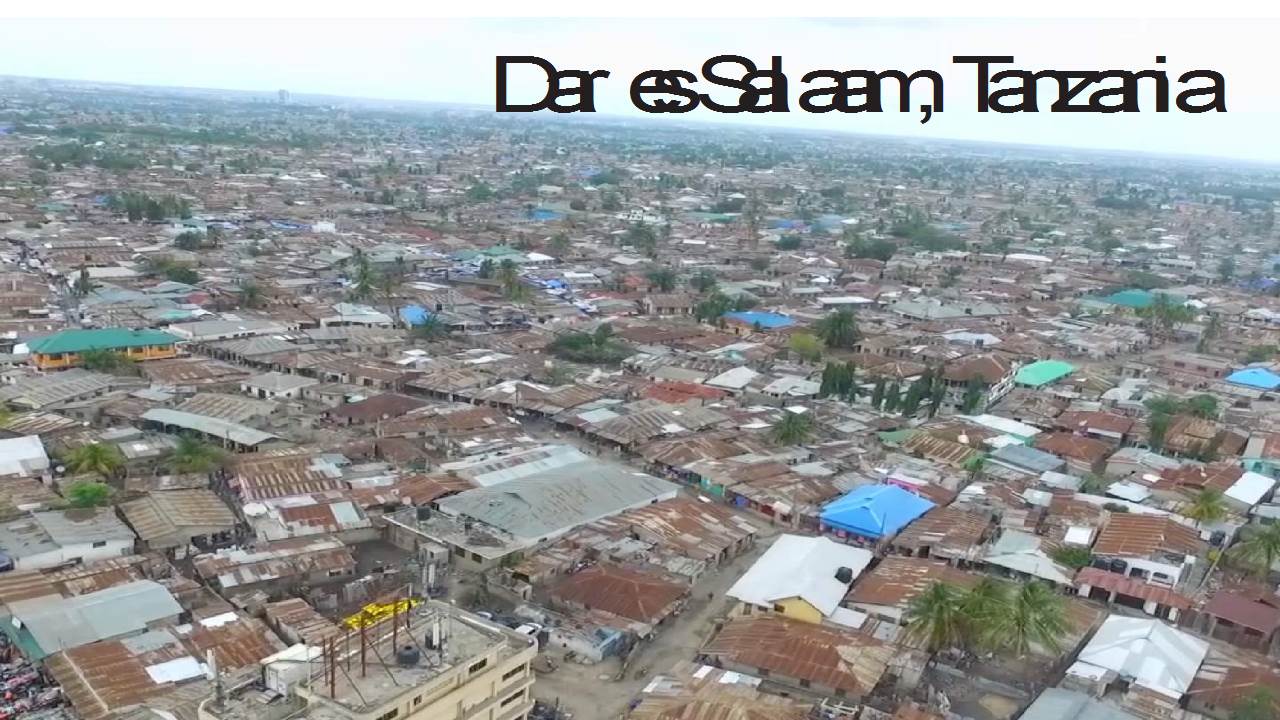
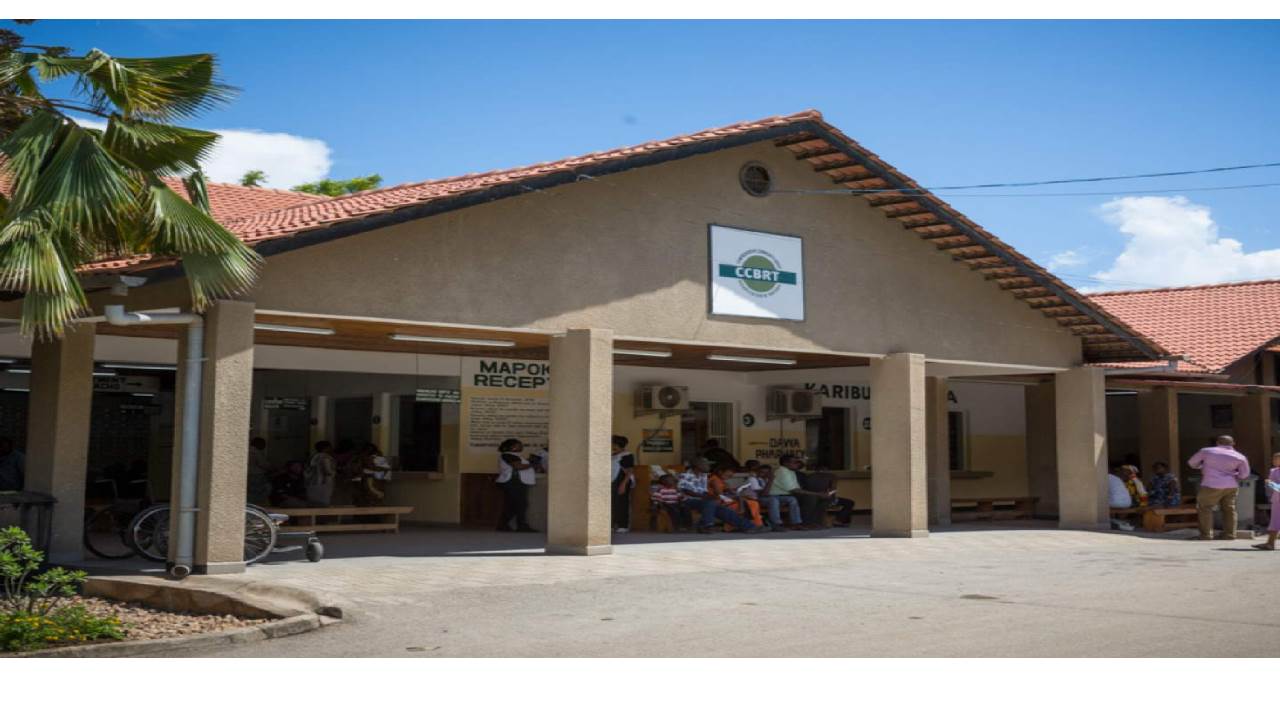
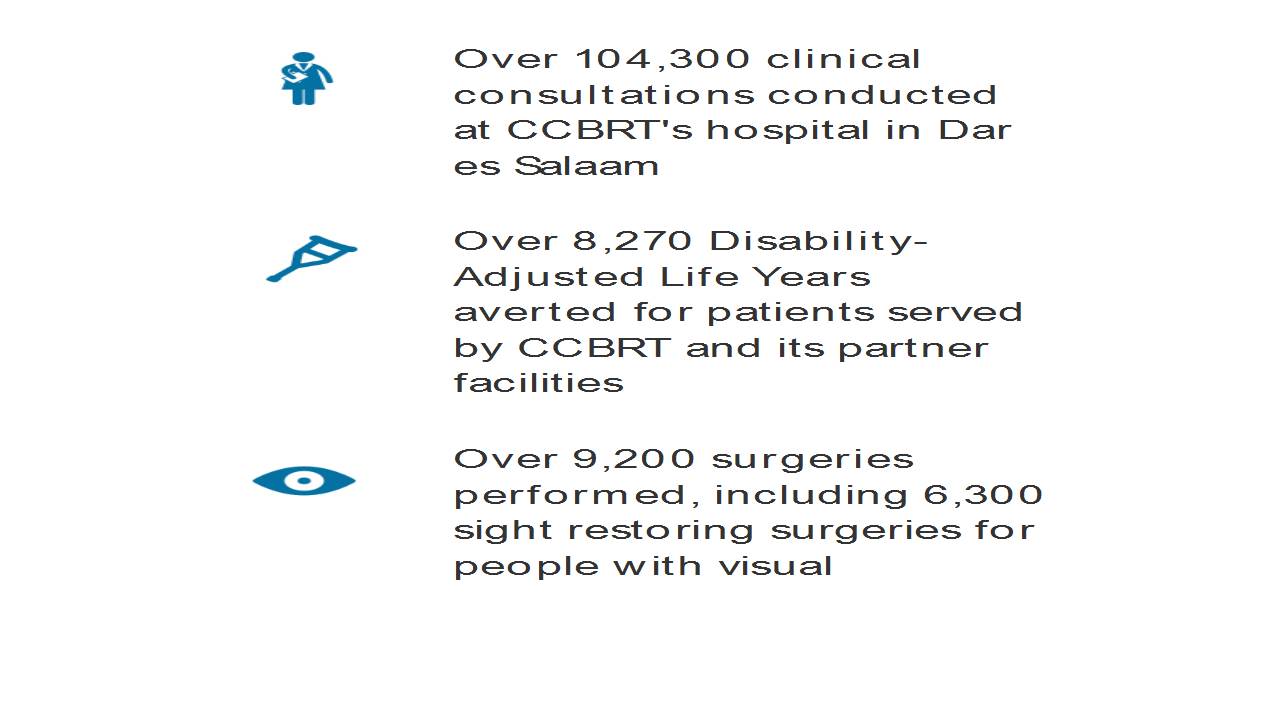
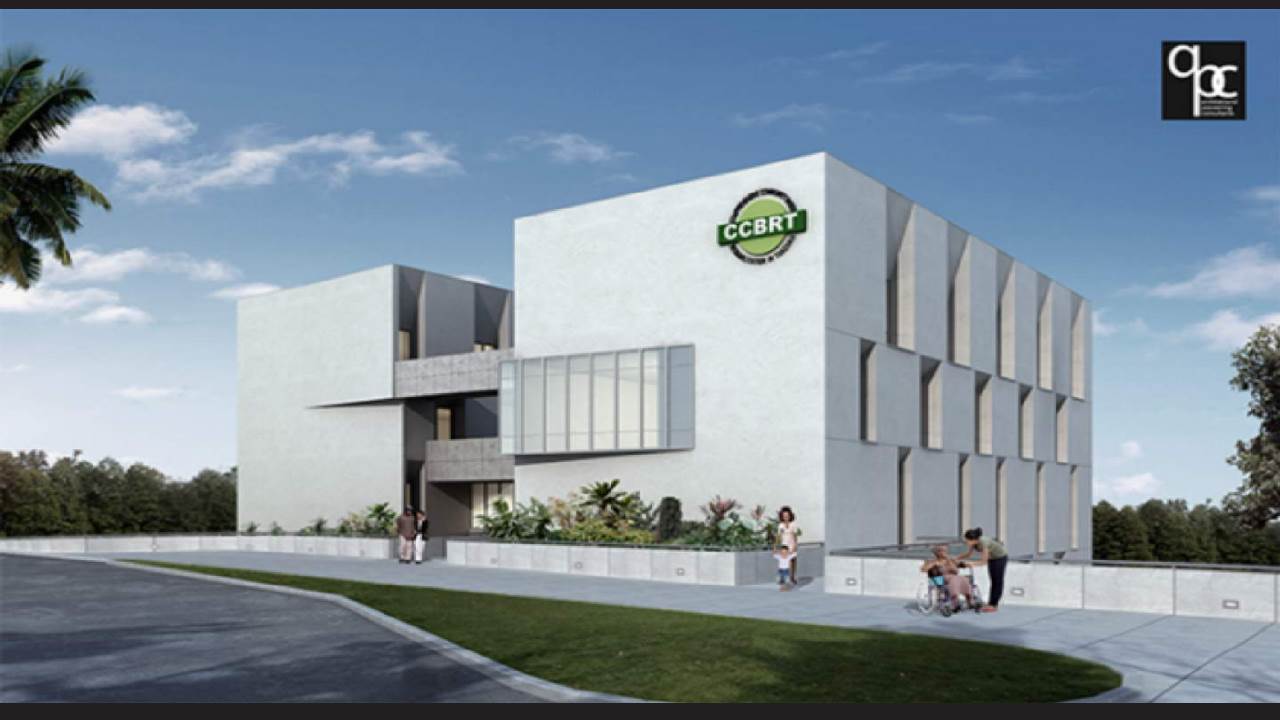
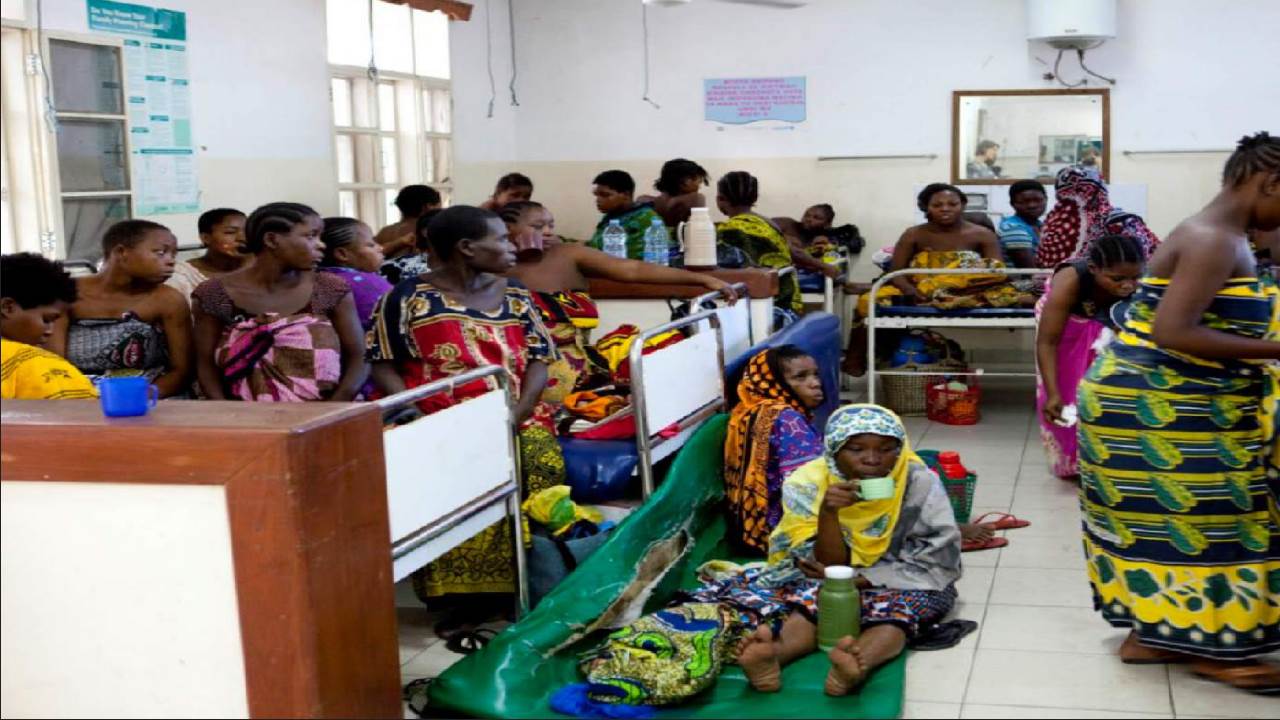
On Friday, Wally Schlech, John McGill, Mike Rade, Bob Eyre, and Gary Barth spoke to 65-70 students in a jammed Wege Auditorium about their medical careers both in the US and abroad. Our ‘71 medical contingent was joined by Bob Schwed who spoke to the students about his experience as a retired Mergers and Acquisitions lawyer working on the Board of a non-profit that is establishing a healthcare system in Tanzania which includes building hospitals.


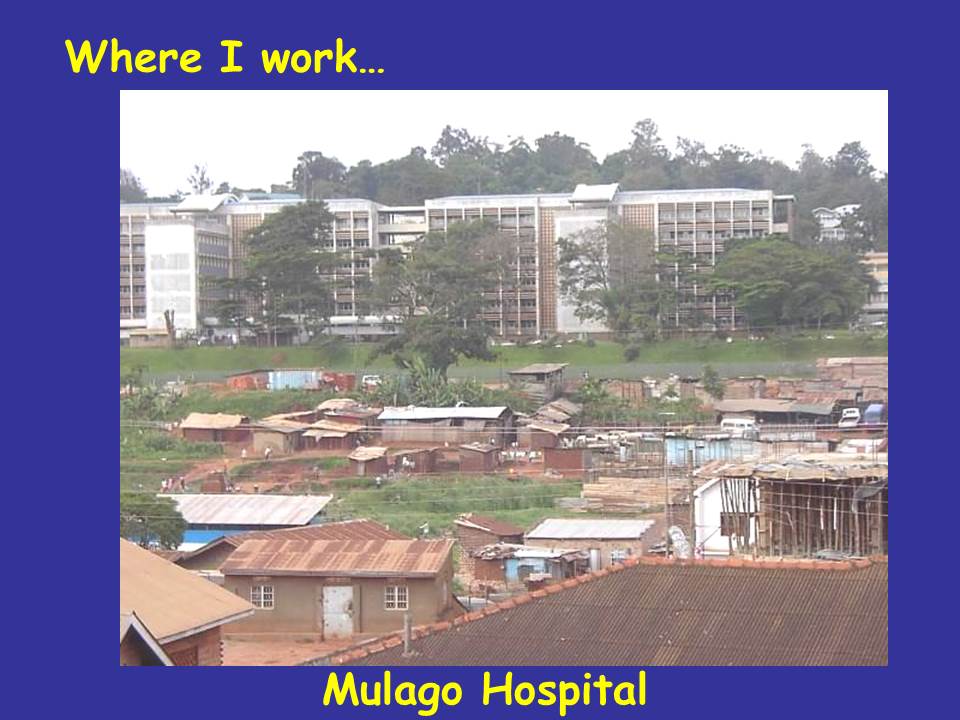
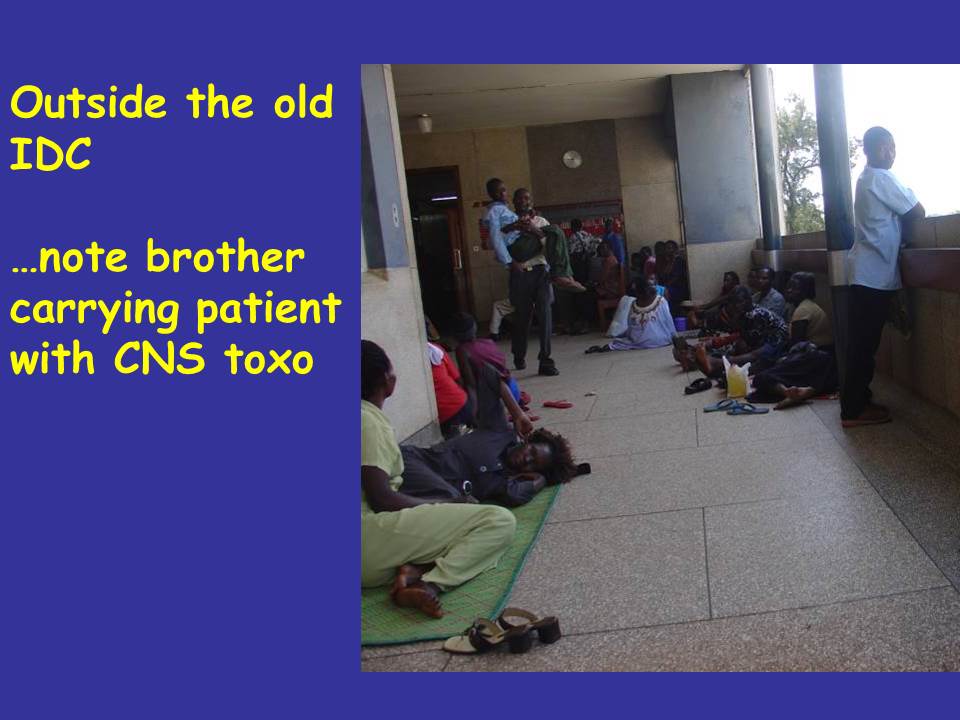
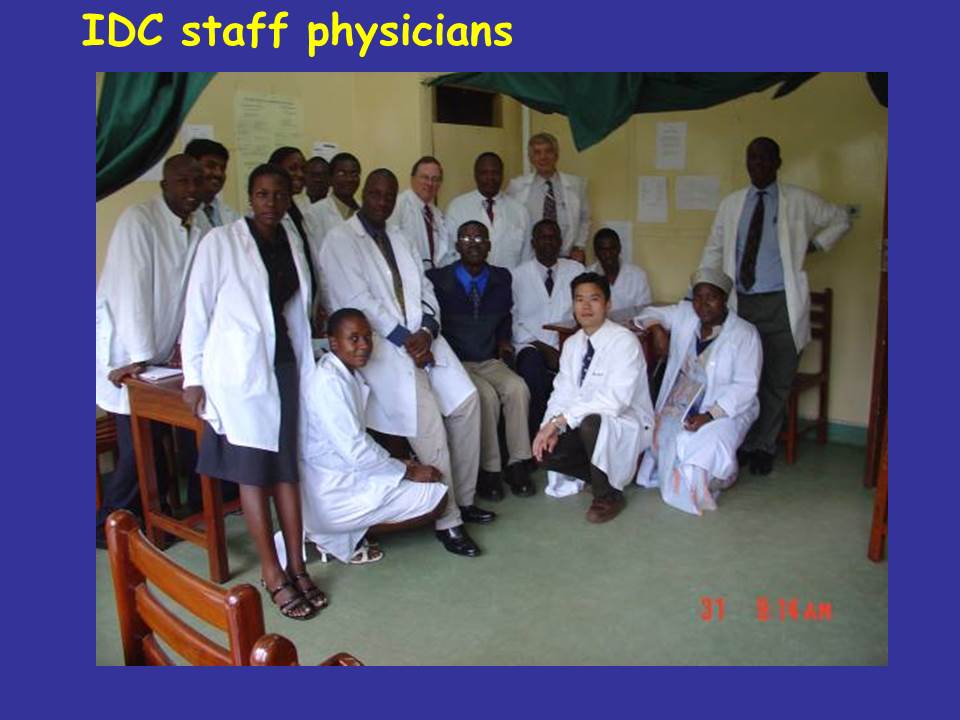
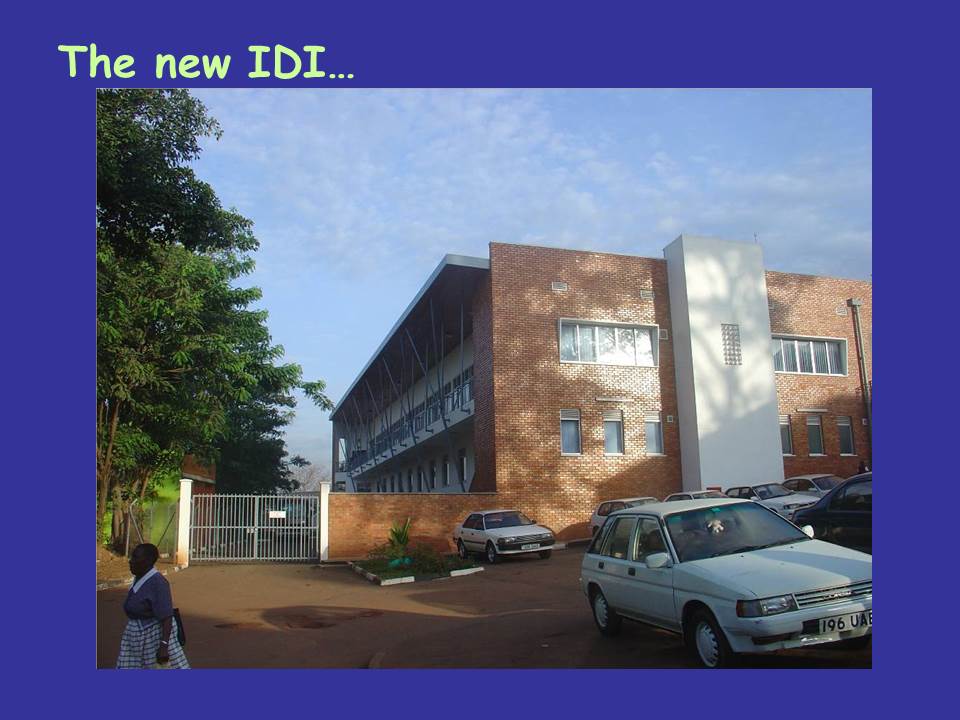
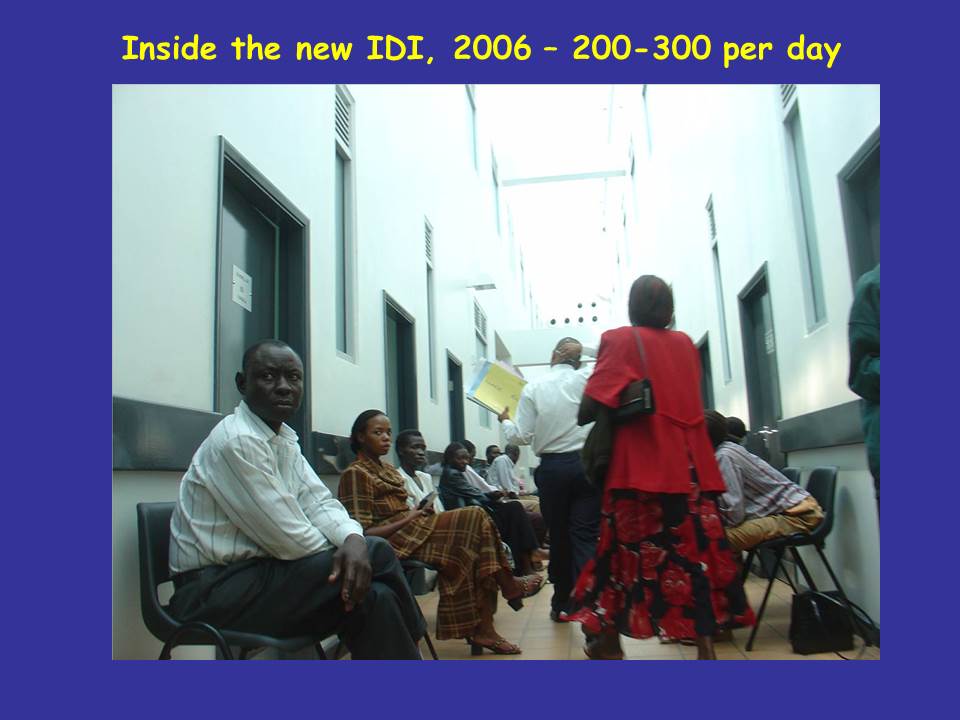
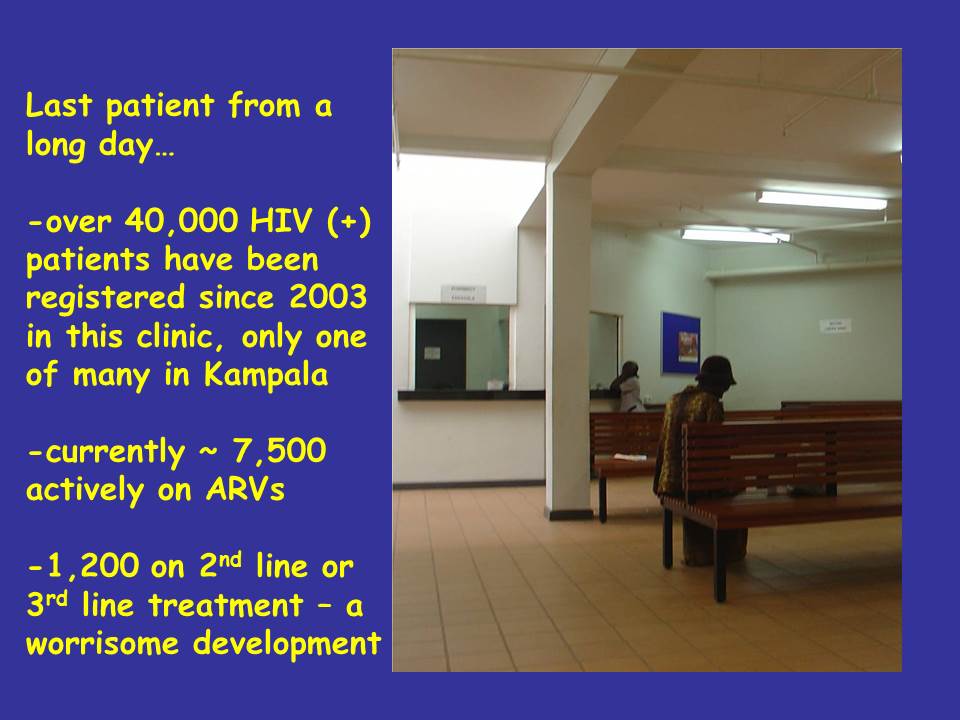
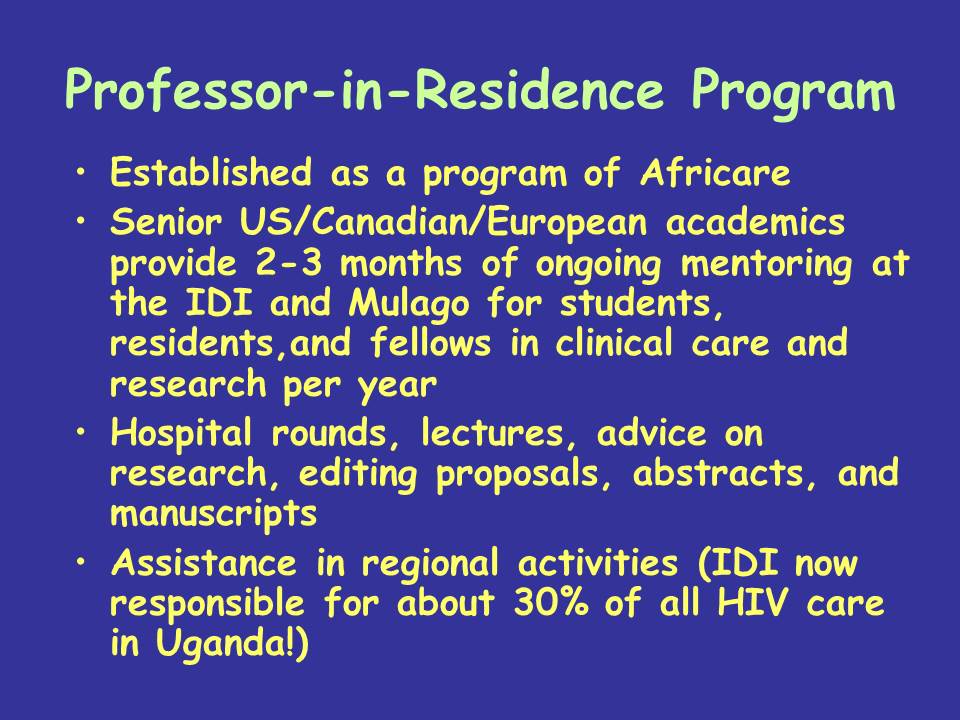
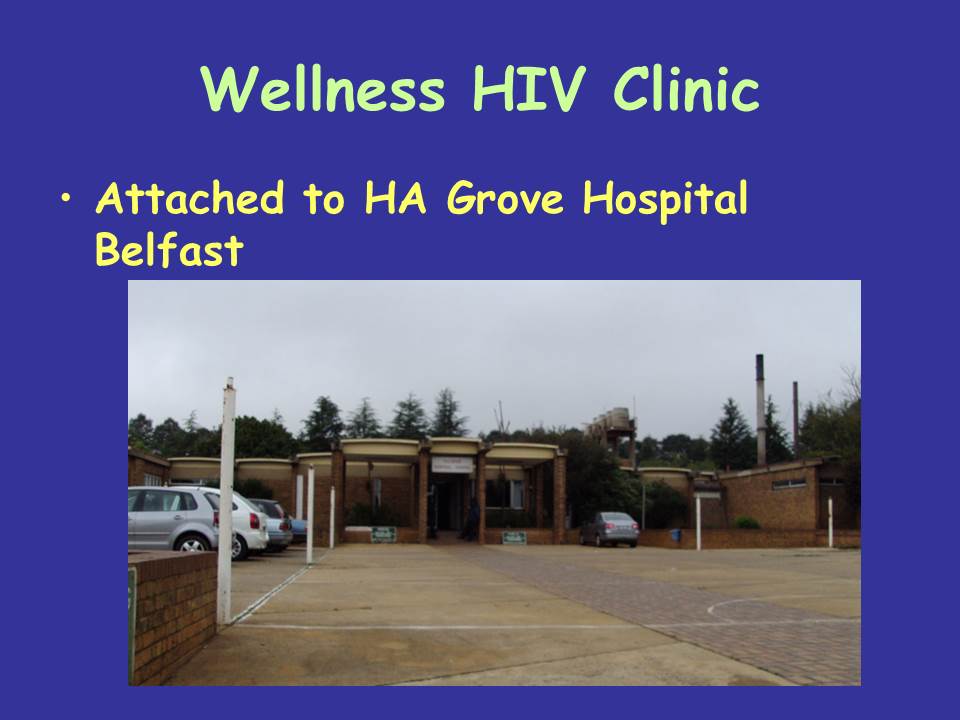
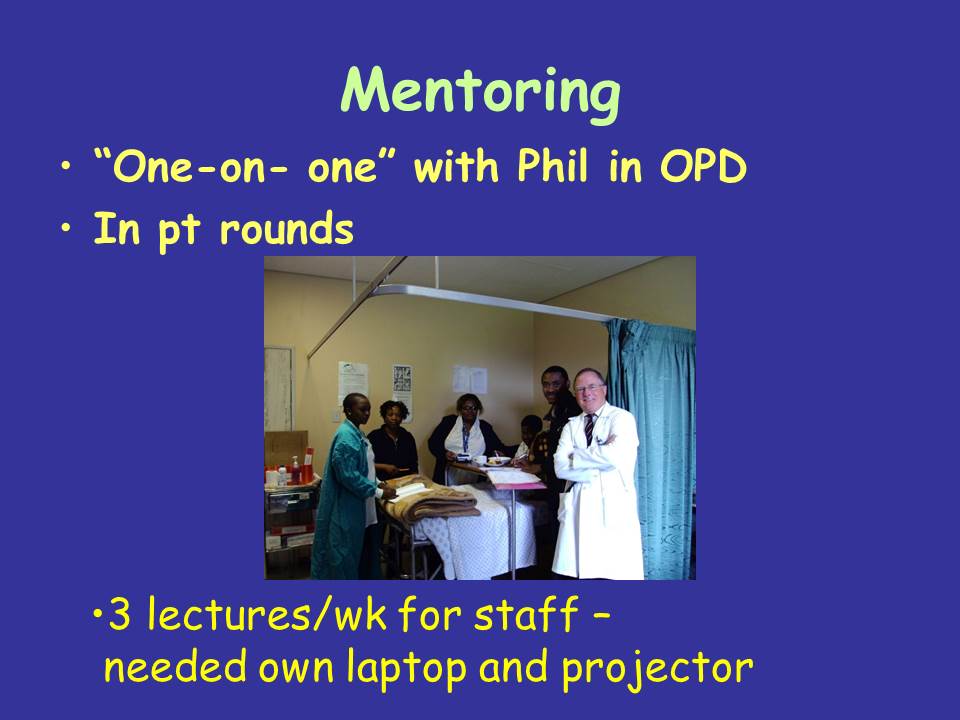
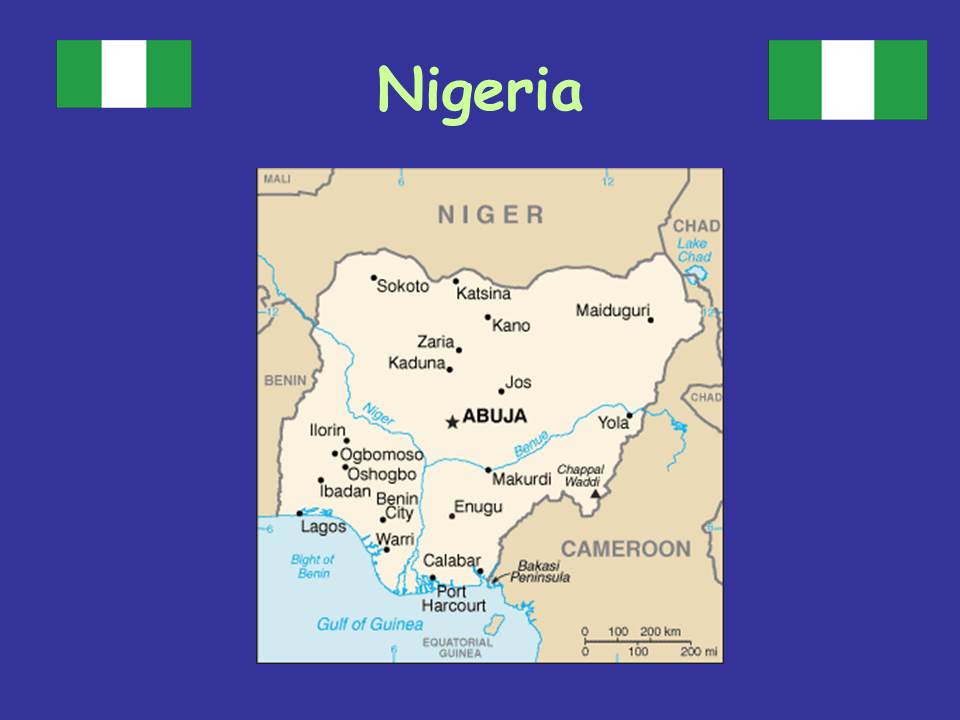
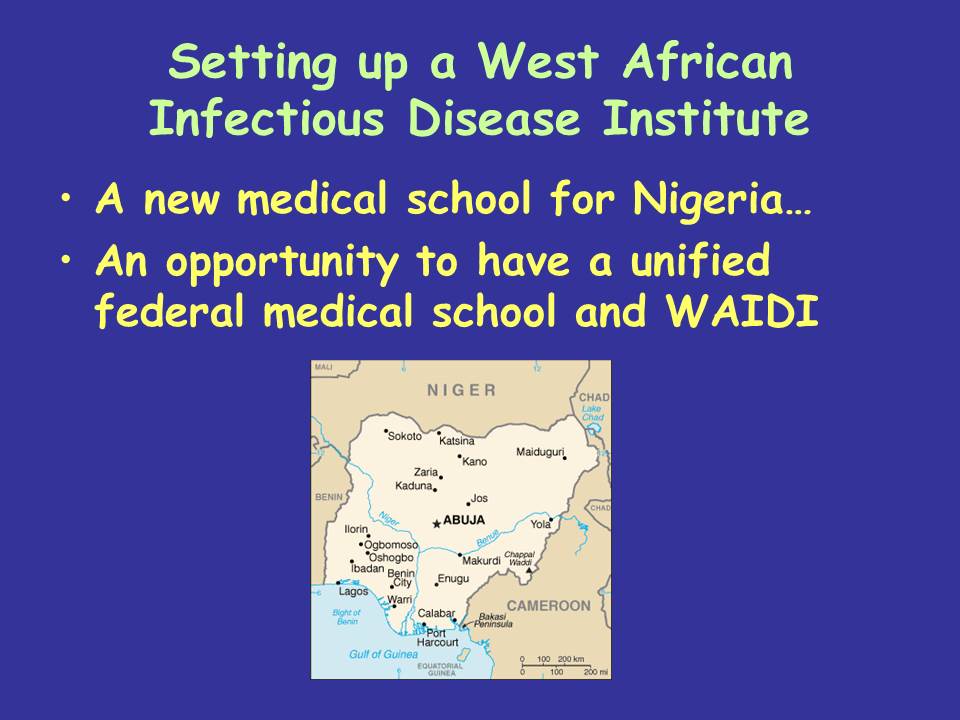
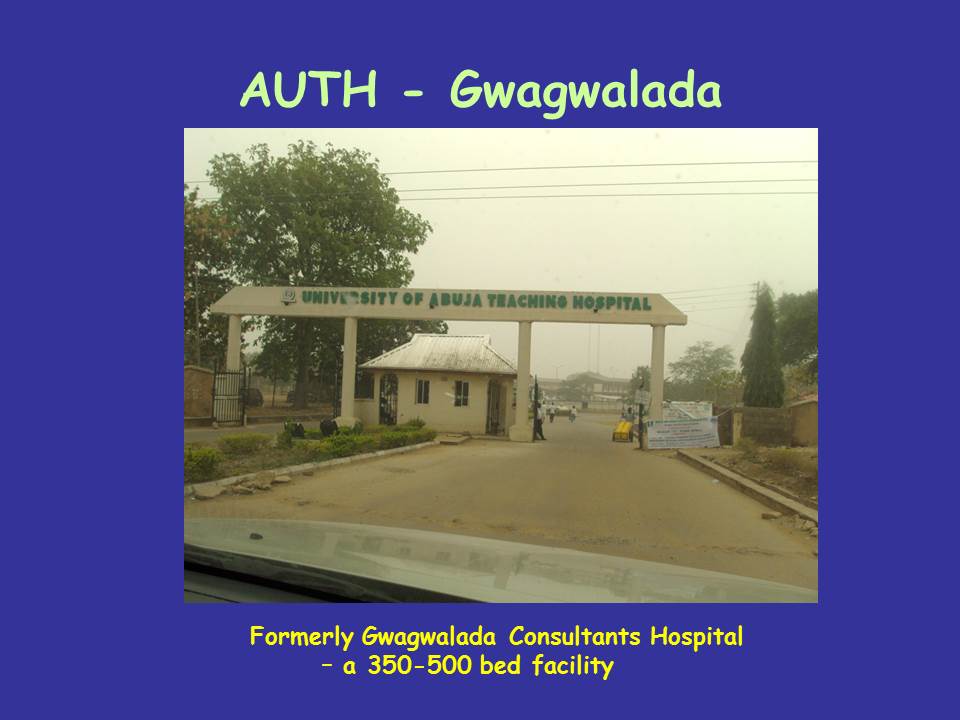
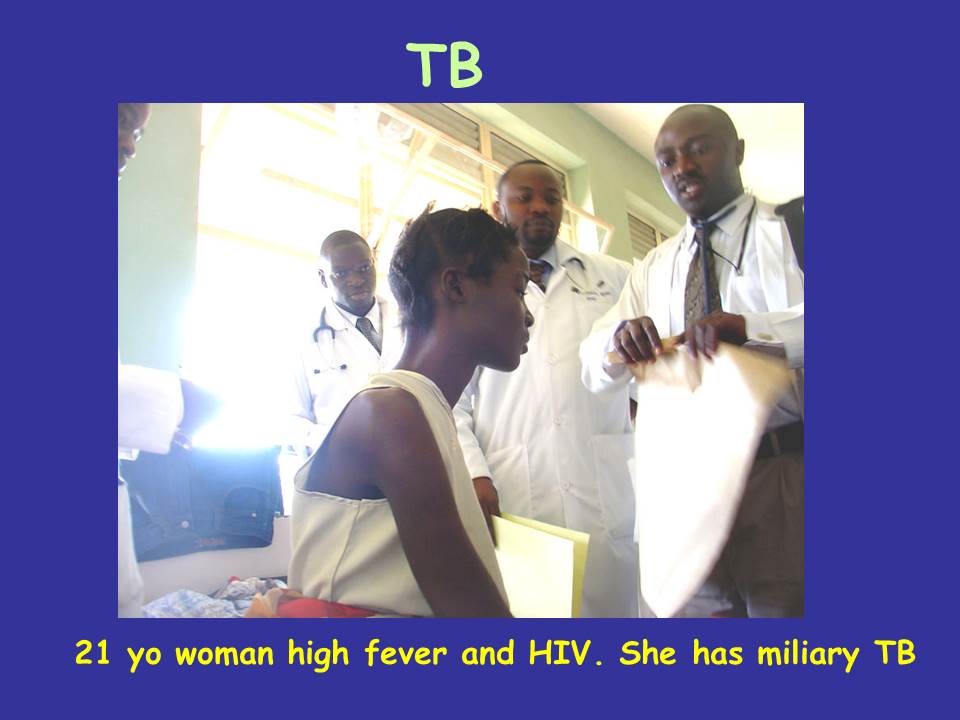
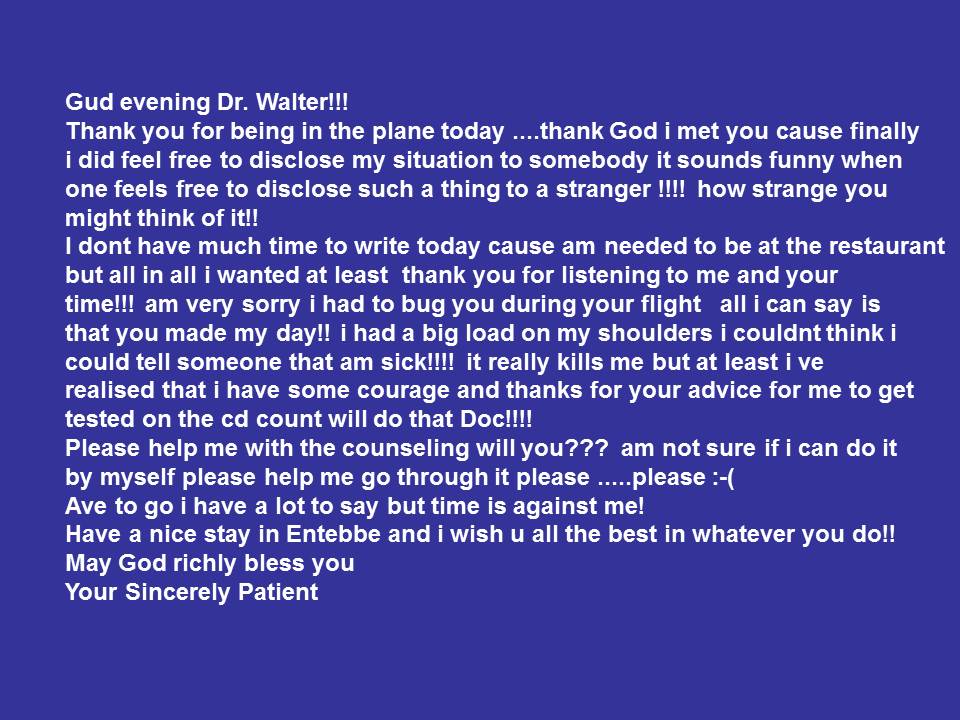
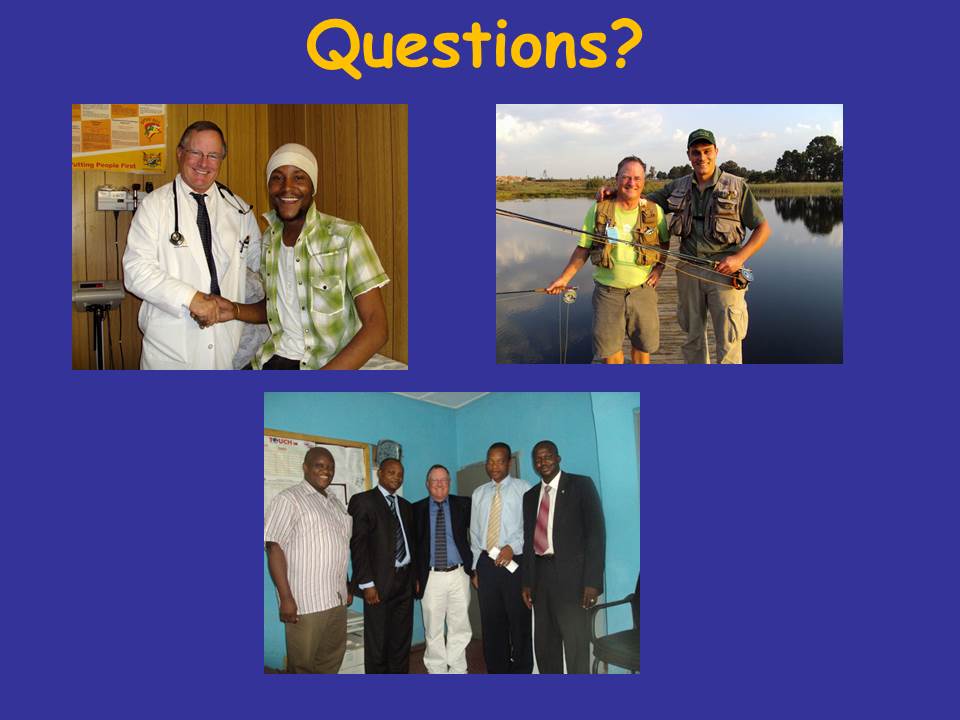
Wally has shared his presentation with us.  If you view the thumbnails and hover your mouse over the pictures, you’ll see his explanations.


as has Bob:

Later in the afternoon, we had our annual class meeting. We were fortunate to have President Maud Mandel with us for 45 minutes, most of which was covered by her answering questions from our classmates.


Reunion chair Rob Farnham reported on outreach efforts so far, including recruiting 37 volunteers to make sure all our classmates and friends of ’71 knows we would love to see them in Williamstown in June, 2021. Geo Estes and Ken Richardson gave us an update on the status of the ‘71 Class Gift, and Jack Sands, Bob Schwed, and Mike Rade reported on the 3 specific buckets of our 50th Class Gift (public interest fellowships, out Class scholarship fund, and funding for students doing research with science professors).

John Ackroff gave a very positive report on our Annual Fund. Finally, John Chambers, with John Ackroff’s assistance, wowed the crowd with a prototype of our Class’ website which is equipped with features like “find a classmate”, a digital version of every Williams record published when we were there and much much more. Finally we heard from two Williams recipients of the ’71 Scholarships who thanked the class for its generosity and told us about their backgrounds, how they found their way to Williamstown and their experience as students. In addition to those already listed, we were joined on Friday by Peter Clarke, John and Louise Finnerty, Hugh Hawkins, Roger Kaufman, Tim Murnane and Diana Michaels, Dave and Susan Olson, and Paul and Megan Schneider.

On Friday night we attended a dinner at the Williams Inn with the classes of ‘68, ‘69, ‘70 and ‘72. It was wonderful opportunity to catch up with old friends from other classes.

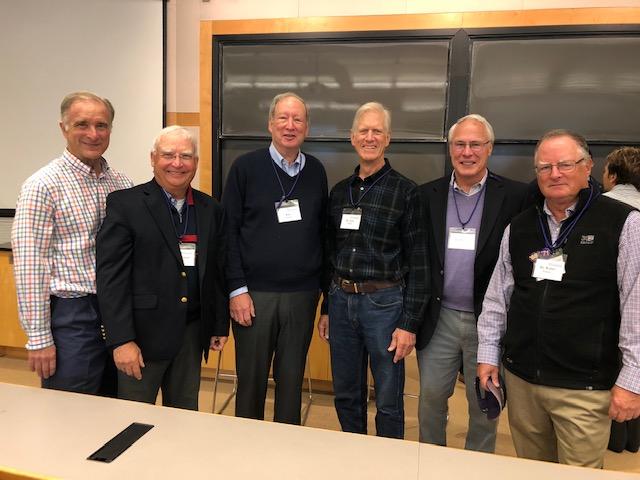
The Saturday morning highlight was the presentation of Wally Schlech, John McGill and Bob Schwed, very ably moderated by Laura Estes, to a gathering of about 200 alums about their experiences in healthcare overseas, particularly in Africa.
Saturday afternoon featured a tailgate at Farley-Lamb Field, a beautiful fall afternoon, and an exciting football win over Trinity (whom Williams had not beaten since 2011). Jim Lavigne along with his wife, Mary Gavin, returned to the campus for the first time in over 40 years. Jim was accompanied by Bill Pinakiewicz (“Pinky”) ’72, who looked fit enough to get on the football field if the Ephs needed him in the fourth quarter.
We ended the weekend’s formal activities with a wonderful gathering at the Taconic Golf Club for dinner on Saturday.


Before we sat down, a number of classmates shared warm and humorous memories of Sey Zimmerman. We toasted a classmate who had worked so tirelessly for so many years for our class.

Gary Barth won the “long ball” for traveling all the way to our mini-reunion from Santa Rosa, CA, followed by Tim Murnane from Scottsdale, AZ.
I think everyone left looking forward to the next time we could all get together. We look forward to seeing other classmates and friends of ‘71 at one of our events leading up to the 50th.


Fall 2017 Mini-Reunion

Steve Brown reports in Class Notes:

We had a great time at our 2017 Mini-Reunion when 32 alums and friends of the Class of ’71 enjoyed a weekend full of classes, meeting with then-President Adam Falk, sporting events and plain old good times. Here are a few highlights of our weekend in the Purple Valley. Our medical contingent was well-represented by Elizabeth and Craig Blum, Bob Eyre and Katie Eyre ’73, Ellen and Mike Rade, and Mark and Sharon Ruchman. Our doctor classmates reported that they were still enjoying their work and working hard, although there was reason to question how hard a particular surgeon from Buffalo was working when he carded a 35 on the front nine at Taconic, including an eagle 2 on the 7th. I was not aware that some surgeons in Buffalo regularly see their patients on the practice tee or putting greens. Our reunion chair and class VP, Rob Farnham, took a couple of days off from installing windows and doing masonry on his fixer-upper in Burlington, Vt., to rally the troops. We are hoping he will do a TED Talk to teach us all how to build stone walls and do landscaping with boulders. Peggy and Larry Ferraro made the trip up from South Carolina, where they retired 11 years ago. Larry fired up the crowd at dinner on Saturday night. I think he has a second career as a motivational speaker. Larry was joined on the retirement front by Joe Quattlebaum and his wife, Joan, also up from the South. Louise and John Finnerty rolled in from New York, where John is still teaching economics at Fordham to undergrads and grad students. Anne and Jock MacKinnon made the trip from NYC. Denise and Bob Schwed came, and Bob added a strong dose of dry humor to Pres. Falk’s serious remarks on Friday afternoon. Valle Schloesser earned his dinner and extra piece of red velvet cake on Saturday night by cycling up Mount Greylock earlier that day. Ann and Nick Tortorello came from Philadelphia, and Nick did an excellent job educating all of us on his group’s class gift suggestion to promote work and internships for Williams students in public service. Meg and Paul Schneider joined us on Saturday night for dinner, and both are at early stages of retirement. Mary and John Untereker traveled up for the weekend from Houston, Texas. It was a wonderful time.

Rick Beinecke


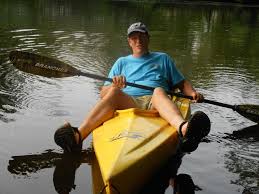
In the introduction to a 2013 guidebook he wrote about the Mystic River, Richard Beinecke described himself as “a water person,” and added that some people thought he was “a fish in a past life.”

When he moved from Concord to Arlington about eight years ago he “began paddling, fishing (mostly with little success), and birding the Mystic Lakes and Mystic River and Spy Pond, biking in the area, and walking to work via Alewife Station. I became curious about what I was seeing along the river — the old pilings, the dams, the marshes — and discovered surprises such as Grandfather’s House and plaques on the Middlesex Canal, and on the ice and farming industries,” he wrote in “The Mystic River: A Natural and Human History and Recreation Guide.”

His search for guidebooks on the Mystic turned up empty, so Dr. Beinecke, a professor and department chair in Suffolk University’s Sawyer Business School, decided to write one himself, with support from the Mystic River Watershed Association.

 “When I asked people about the Mystic, few knew much about it except that there was a movie of that name or, for fishermen, it was a great place to dock your boat and easily get into the harbor,” he wrote. “The Mystic seemed to be one of the best undiscovered resources in the Boston area and one that if more people knew about it, more would come to it.”

Dr. Beinecke died June 19 of a heart attack he suffered while riding the Red Line to Suffolk University, where he taught mental health, public health, and leadership. He was 68 and lived in Arlington.

His Mystic River book took two years to research and write, said Dr. Beinecke’s longtime partner, Carol Philipps of Belmont. Upon its publication, he “peddled it around” at area bookstores and other spots, delivering PowerPoint presentations and answering questions. He also crafted an accompanying website, mysticriverrick.com. “There was just no stopping him, he had so much energy,” she said.

Along with teaching, Dr. Beinecke had been an administrator at Suffolk and headed the university’s faculty senate.

“Rick was exceptionally kind, and he had an amazing knack for bringing people together,” Marisa Kelly, Suffolk’s acting president, said in a statement. Being a trained clinician in mental health “no doubt shaped his ability to listen, to understand, and to make sure everyone was heard.”

Dr. Beinecke “believed in the power of leadership and the importance of bringing all voices into the process,” she said. “He was exceptionally positive, and his first question was often ‘How can I help?’ And his students loved him. Rick was valued and appreciated for his teaching, for his listening, and for his genuine care as he guided so many young people on a course to success.”

He had a “youthful exuberance” that belied his age and an unusual appreciation for forming lasting relationships with students and colleagues, said Doug Snow, a Suffolk professor and longtime friend. He recalled an occasion where he asked Dr. Beinecke for advice, which led to the two canoeing on the Concord River.

“Once you knew Rick professionally, you knew him personally,” Snow said. “He was a big fan of transformational leadership. He believed in being changed himself by the people he led, and then that change would work in a reciprocal way.”

One of Dr. Beinecke’s students, Kevin Renna, recalled that at the bottom of a form letter from Suffolk informing him that he’d received a graduate school scholarship was a handwritten note of congratulations from Dr. Beinecke, who at the time chaired the department of public health administration.

“That personal touch was pretty indicative of who Rich was as a person,” said Renna, who took many of Dr. Beinecke’s classes and worked with him on his research about the mental health impact of the Boston Marathon bombings.

 “Rick was so engaging and very charismatic in the classroom,” he said. “He had a vast knowledge of so many different subjects and a genuine desire to make a connection with each of his students. His loss is devastating to everyone, even students who had him for just one class.”

Born in New York City, Richard H. Beinecke grew up in New Jersey, a son of Herbert Hinrichs and the former Mary Ann Hamachek. Dr. Beinecke was a stepson of Walter Beinecke Jr., his mother’s second husband. His stepfather was a developer and preservationist who helped shape modern-day Nantucket, and an heir to the S&H Green Stamp fortune.

Dr. Beinecke was known to many as Rick, and was nicknamed Rickles by his 26-year-old twin daughters. After graduating from St. George’s School in Middletown, R.I., and Williams College, he received a master’s in social work from the University of Chicago. He later received a doctorate in public administration from George Washington University.

Since his college days, his family said, Dr. Beinecke was a political activist at the local, state, and national levels. “When he really believed in a cause, he threw himself into it,” said his daughter Emily of Cambridge. “And connecting with people was just something he loved to do.”

Emily, who played on the softball team while a student at Tufts University, said her father called her freshman year to tell her the softball field was just three miles from his new apartment in Arlington. “He was at just about every single game,” she said. “There were very few things that could keep him from the sidelines.”

That was the case when Dr. Beinecke lived in Concord, and was raising Emily and her sister, Katrina of Columbus, Ohio. “He was like a sports cheerleader for us,” Katrina said. Her father, who was 6-foot-7, was “very goofy and very extroverted,” she added. “He was so proud of us and told everyone he met, including complete strangers, that he had twin daughters.”

His daughters recalled kayaking on Squam Lake in New Hampshire, hiking on Cape Cod, and bird watching with their parents. Dr. Beinecke’s marriage to their mother, Deborah Richardson of Concord, ended amicably in divorce. He was active in the Massachusetts Audubon Society and led canoe and kayak tours on the Concord and the Mystic rivers.

In addition to his daughters and his partner, Dr. Beinecke leaves two sisters, Julie Stackpole of Waldoboro, Maine, and Louisa Hamachek of Portland, Ore.; a brother, Robert Hinrichs of Waldoboro, Maine; a half-brother, Walter Beinecke III of Manchester-by-the-Sea; and his stepmother, Barbara Hinrichs, and stepsister, Sally Shear, both of Richmond, Va.

An avid reader who wrote many academic papers and articles, Dr. Beinecke was also a big fan of the Red Sox and the Patriots, and he had an extensive collection of T-shirts and baseball hats.

“If he saw someone with a T-shirt with the name of a place he’d been, he’d start talking to them and next thing you know, they were best friends,” said his partner, Carol Philipps. “Rick knew everyone everywhere, and if he didn’t know someone he’d get to know them. He was gentle and kind and so unselfish. He would do anything for anybody.”

Kathleen McKenna, Boston Globe July 5, 2017

ONE DATE – FLIPPING THE PERSPECTIVE

 
ONE DATE – FLIPPING THE PERSPECTIVE

By Paul Lieberman

I’ve always found it useful, as a writer, to flip perspectives.  One great feature of the computer age is how it allows us to do that with all sorts of episodes from the past, such as this prominent moment in our shared experience as members of the Williams class of ’71.

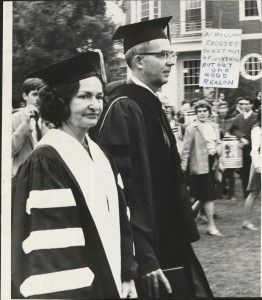
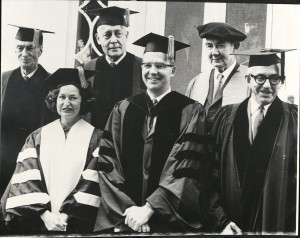
The date in question: Oct. 8, 1967, when Lady Bird Johnson came to Williamstown, setting off protests that made national news.

We were in school barely a month but had amply witnessed the   passions inspired by the war in Vietnam. I’m pretty sure there already had been a gathering at Baxter Hall at which an anti-war football player – a FOOTBALL PLAYER – shouted, “I want action, action, action!” That also may have been when Prof. Robert Gaudino cautioned us children of privilege, “If you don’t go, who will?” meaning those less fortunate, of course.

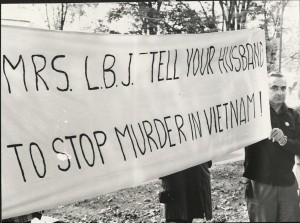
The First Lady’s presence at the fall Convocation had nothing to do with the war. She was invited to receive an honorary degree and help celebrate the opening of Williams’ pioneering Center for Environmental Studies. Yet the protesters were out when she was escorted into Chapin Hall by President Sawyer, one group with a banner urging her to tell her husband, “Stop Murder in Vietnam.”

A half century later, I’m not sure whether I sat in the back of Chapin or on the narrow balcony above. But I vividly remember being among a group of fellow freshmen who surprised me with their…let’s call it fervor. One of our classmates – no longer with us, sadly – had been emotional but level headed in late night political bull discussions in the dorms. When Lady Bird got up to speak, however, he seemed overtaken with rage as he booed and shouted out. At later protests in Washington, the popular chant was “Hey, hey LBJ, How many kids did you kill today?” I can’t remember what it was at Chapin but from our distant perch the First Lady seemed to be shaken, perhaps to tears, as dozens of students marched out of the hall. I was left shaken too, by the possessed look of that one classmate in particular. Passion for a cause was totally legitimate, of course, and a case could be made for making life uncomfortable for those behind policies leaving thousands dead and vast lands devastated. But his demeanor seemed to leave no room to ponder any thought, including very basic issues: Were these tactics effective? Might they even be counterproductive? Issues that resonate around protests to this day, of course.       

Anyway, that was my perspective. The computer now shows us others.

Start with newsreel footage from outside and inside the hall.

Then a handwritten record of Lady Bird’s activities that day, to the minute.

Finally, the First Lady’s own thoughts, in her fleshed-out diary.

Read that, please. You’ll learn that she was well aware of the protesters … but also latched on to other signs outside Chapin, particularly one stating “MAY GOD GIVE LBJ STRENGTH TO CONTINUE HIS COURAGEOUS STAND ON THE PRESERVATION OF PEACE.”

Inside, she scanned the audience as we sang “America,” noticing that the front rows were filled with robed seniors.

“As I saw a white arm band on the first one, I was not prepared for it. I felt a quick pulse of emotion in my throat. I counted another and another. These were symbols of mourning for the war in Vietnam…

“When I was introduced, everyone rose, and it was at this point that some of the graduating class walked out….But the college had its own rebuttal….everybody standing so long and cheering so loudly that their departure was scarcely noticed and they must have felt rather flat. I was both touched and humbled by President Sawyer’s citation.”

From the podium, “I tried to look straight into the eyes of the students in front of me, and from one to another as the speech progressed, and I certainly spoke with passion if not expertise.”

Before and after the Chapin Hall turmoil, Lady Bird’s visit was removed from the public glare, putting her “far from the madding crowd,” she noted. Under the hosting of President Sawyer and Prof. James MacGregor Burns, a foremost scholar of the U.S. presidency, she was taken up to Mount Hope Farm to view the fall foliage, toured the Clark museum to see its Renoirs and bronzes, and was the guest of honor at a dinner at Williams’ version of the White House.

She concluded in her diary:

 “How would I evaluate a day like this? Probably a mistake on balance, because what I had done is provide a vehicle for the dissenters, who were a minority, to get inches in the paper and minutes on the television screen…I was their bait—their creature—for the day.”

She had tried to praise a good cause, as she saw it, but “the louder voices of hate and anger shouted it down.”

“How did I personally feel as I walked among the picketers? Cool and firm and determined to maintain dignity. But through every pore, you sense sort of an animal passion right below the surface.”

“All in all, I guess I lost this round. Lyndon called—distressed—‘I just hate for you to have to take that sort of thing.’”

Perhaps, then, such protests contributed to Johnson’s eventual decision not to run for reelection, though chaos within the Democratic party would contribute to the election of Richard Nixon and the rest, as they say, is history.

Along the way, 11,363 Americans were killed in Vietnam by the end of 1967, 16,899 in 1968 and 11,780 in 1969, the deadliest period of a war that claimed 58,000 American casualties and many times more than that, of course, among the Vietnamese.